
In Photos
By Juan Gamboa | Photoreporter
“Now everyone wants to be a Latino,” said Bad Bunny, an acclaimed Puerto Rican singer when referring to the rising popularity of Latin American pop culture worldwide. Yet, reality hit differently for the Latin American community of migrants this year, where global-spread hostile sentiment has risen towards minorities driven by anti-migrant narratives spread by extreme-right wing governments, according to a report from the organization Unidos US. This narratives create stereotypes that limit cultural diversity perspectives and facilitate the rise of profiling and hate-crime cases.
“Our grandma never taught my mother Portuguese, she prepared us to survive and achieve the American dream, at the expense of our culture,” said Nick Langley, a Brazilian American student regarding his cultural roots.
Unfortunately, Langley is not an isolated case. Data from the Pew Research center reports that more than 50 percent of first-generation Latin American migrants, distance themselves from their languages and traditions. Likewise, many Latin Americans who have emigrated from their home left behind other important cultural aspects as survival mechanisms to navigate dominant cultures. These choices have caused internalized racism and traditionalistic moral ideologies from following generations, according to the journalist Paola Ramos in The Guardian.
Nonetheless, cultural pride trends have risen in younger Latin American generations.
“They reject assimilation in favor of a proud, unapologetic blended identity,” said Dr. Adrianne Pulido, expert in Diversity Equity and Inclusion (DEI). Despite political ideologies and global sentiments, younger generations are advocating for passive and creative cultural resistance, according to reports from the New Tactics organization.
“I want to carry my country’s colors and traditions around the world, I don’t want to blend in, I want to acknowledge and pay tribute to those who came before me,” said Sebastian Castillo, a young Colombo-Guatemalan student who was asked about unorthodox, Guatemalan, clothing attire while attending The American University in Rome.
Ultimately, although the loss of cultural traditions has been a reality related to the mass emigration experienced by the Latin American community during the last centuries, many young individuals will continue to advocate for the preservation of their Latinx heritage around the world.




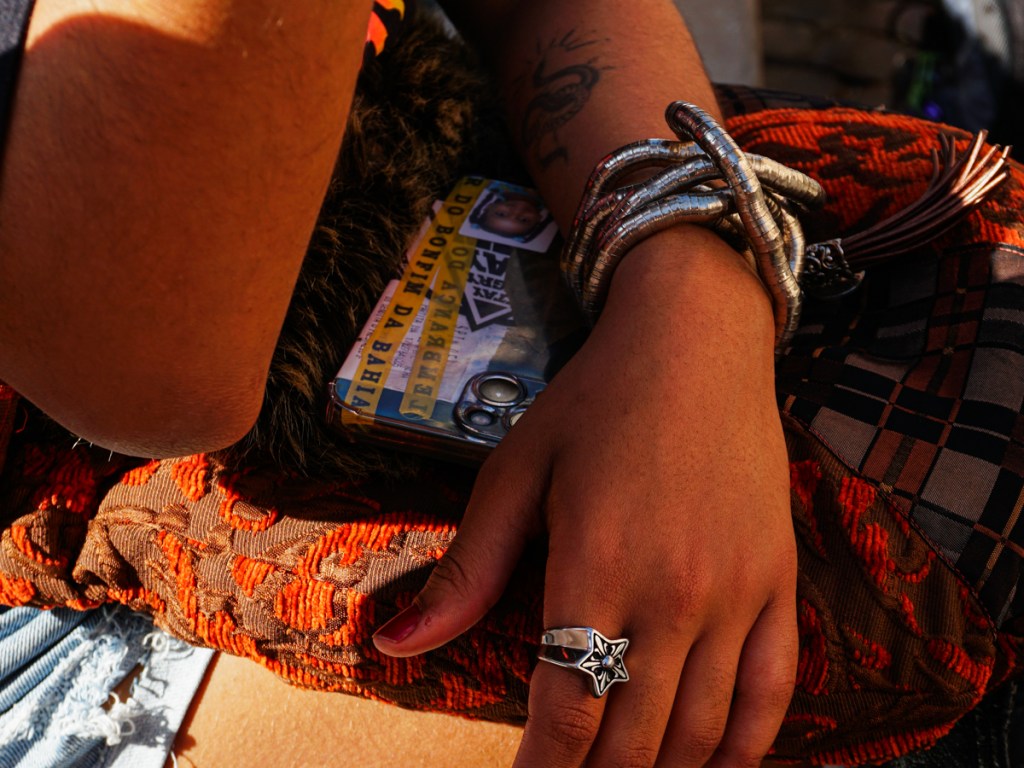

March 29, 2025.



March 20, 2025.

March 22, 2025.

