In Photos
By Ria Rahunanan | Photoreporter
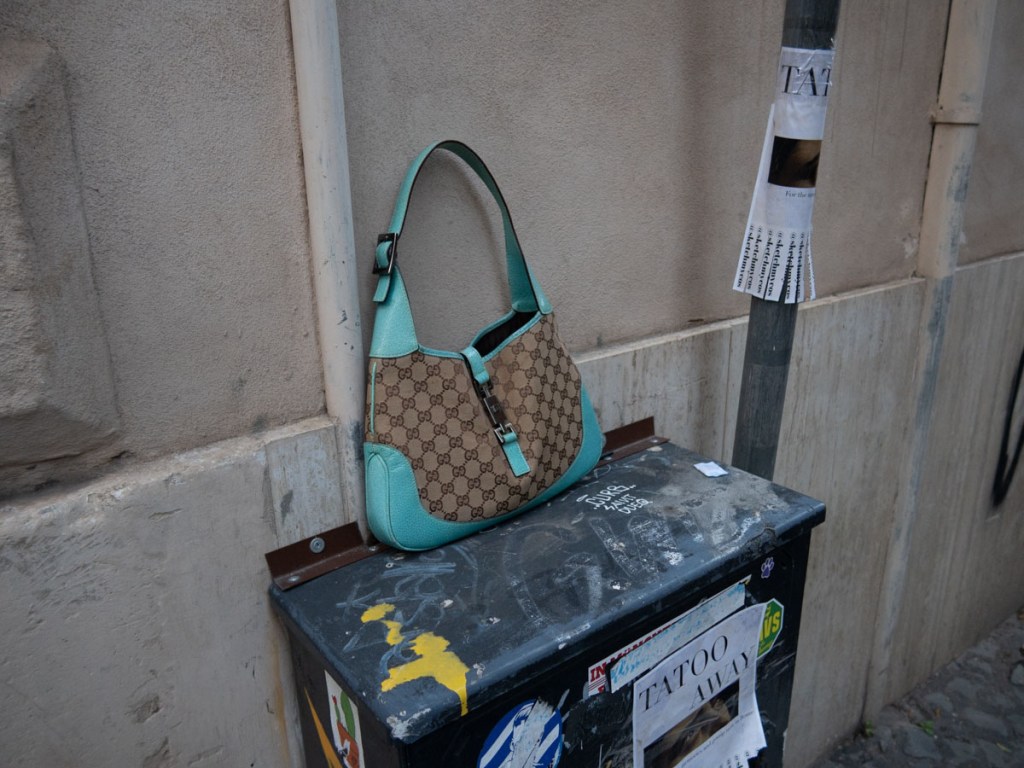
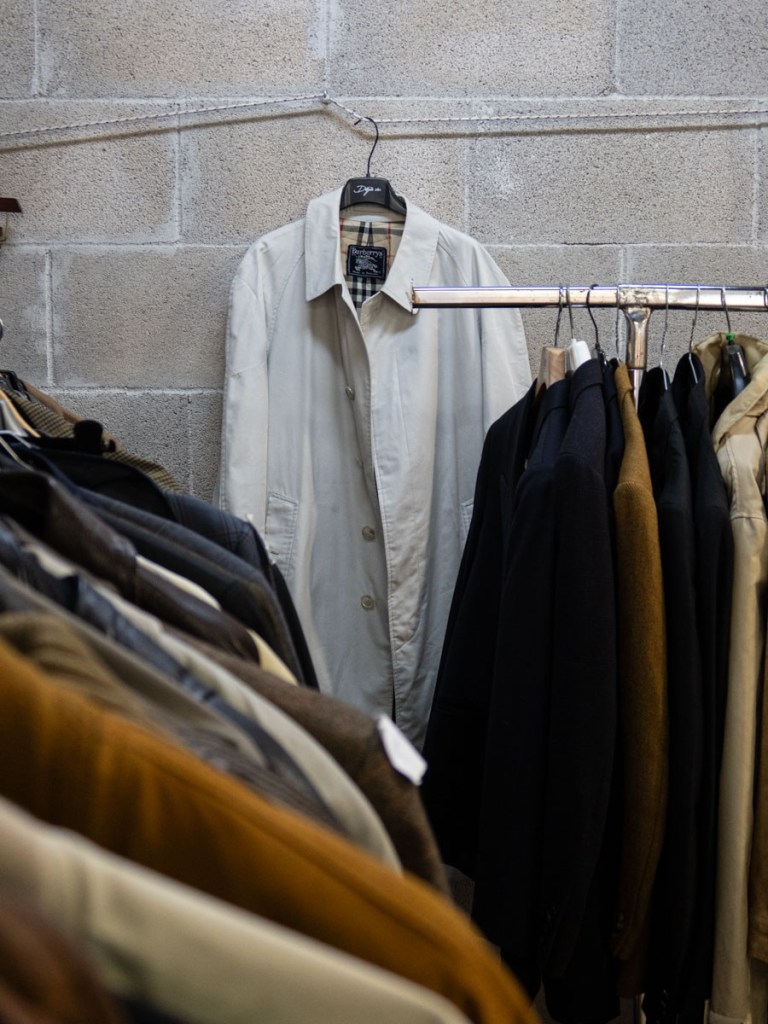
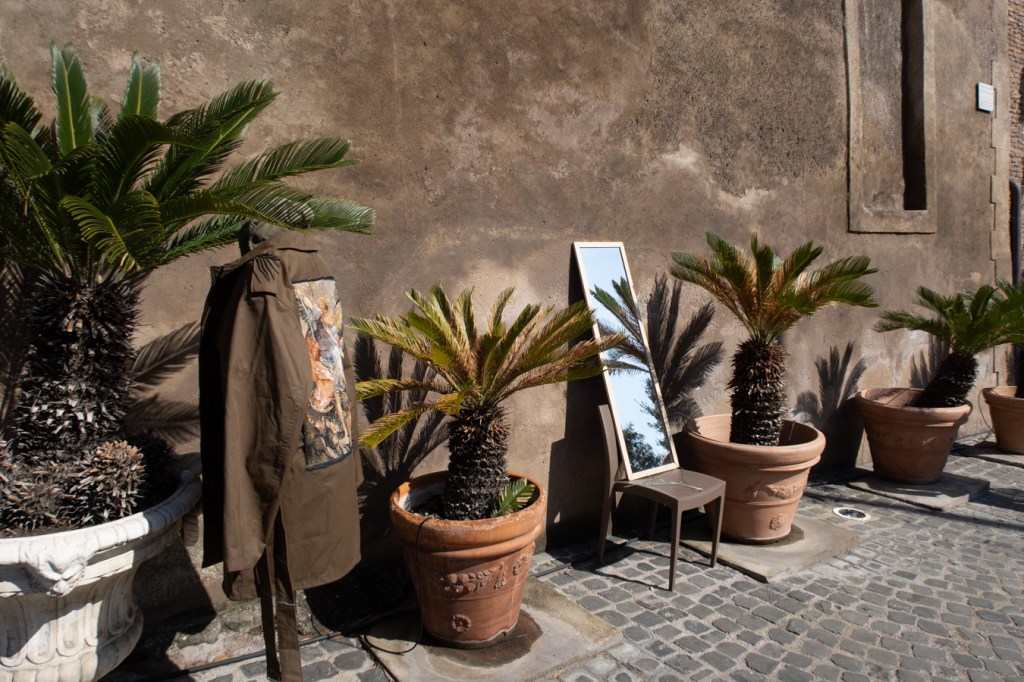
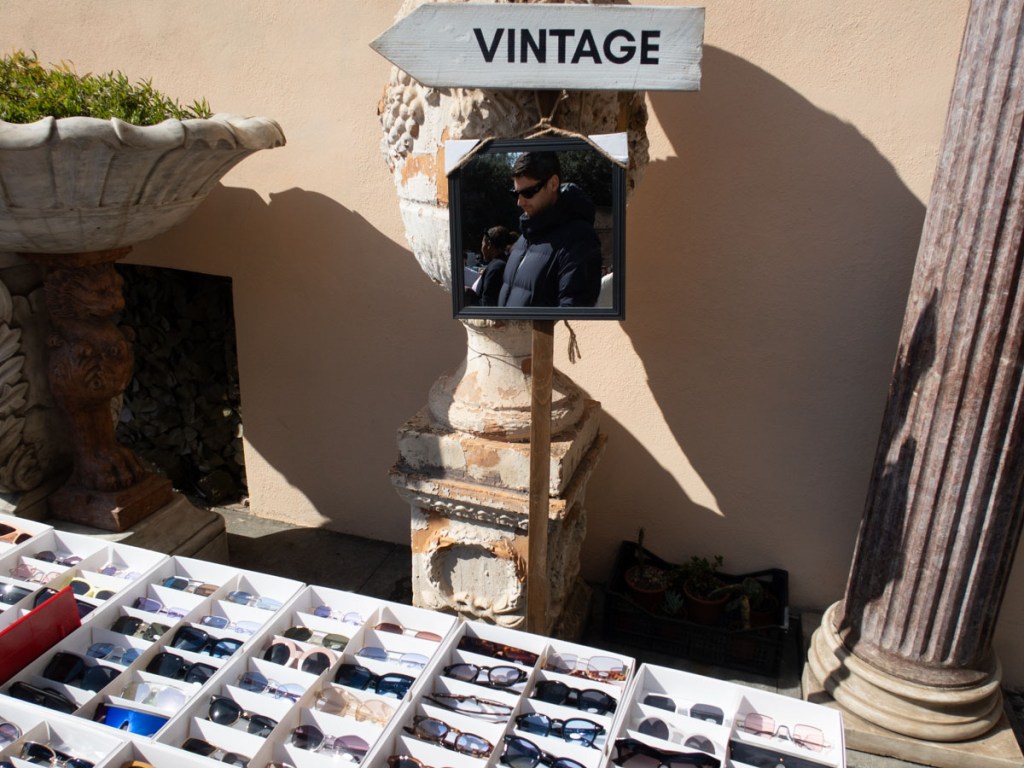
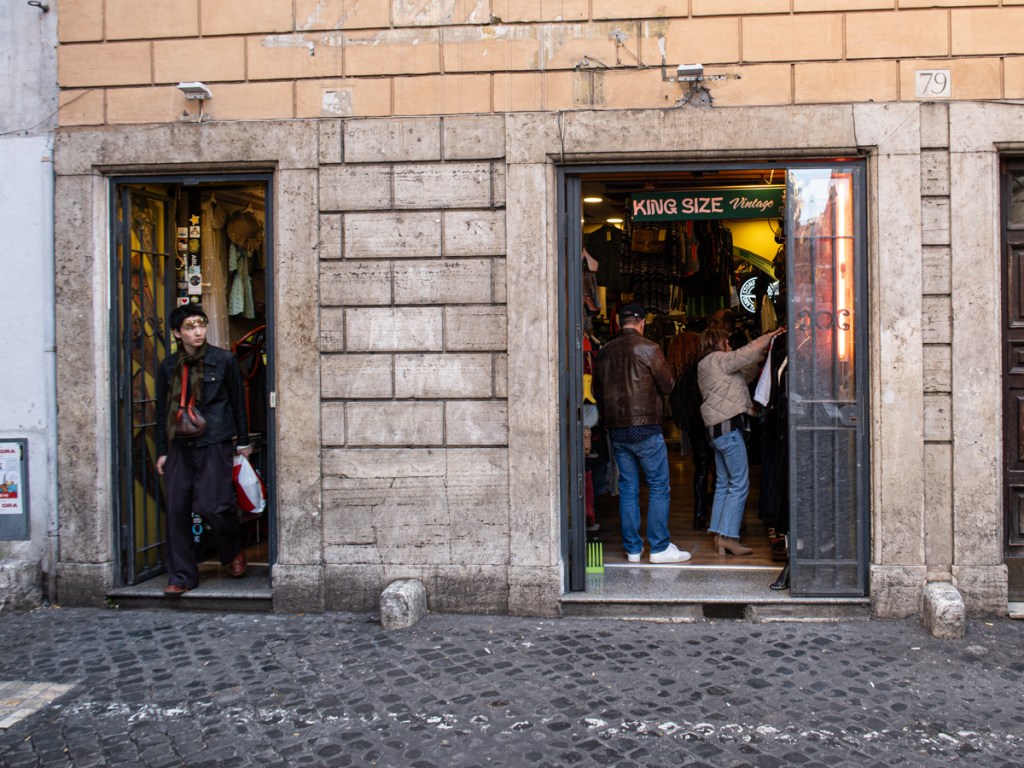
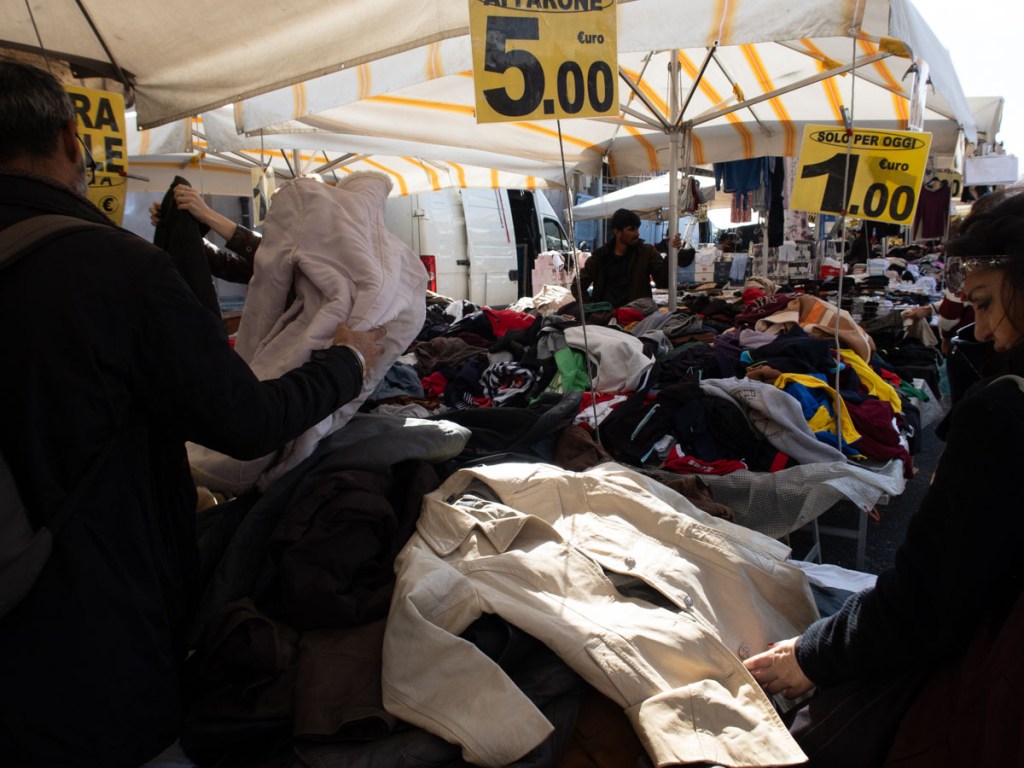
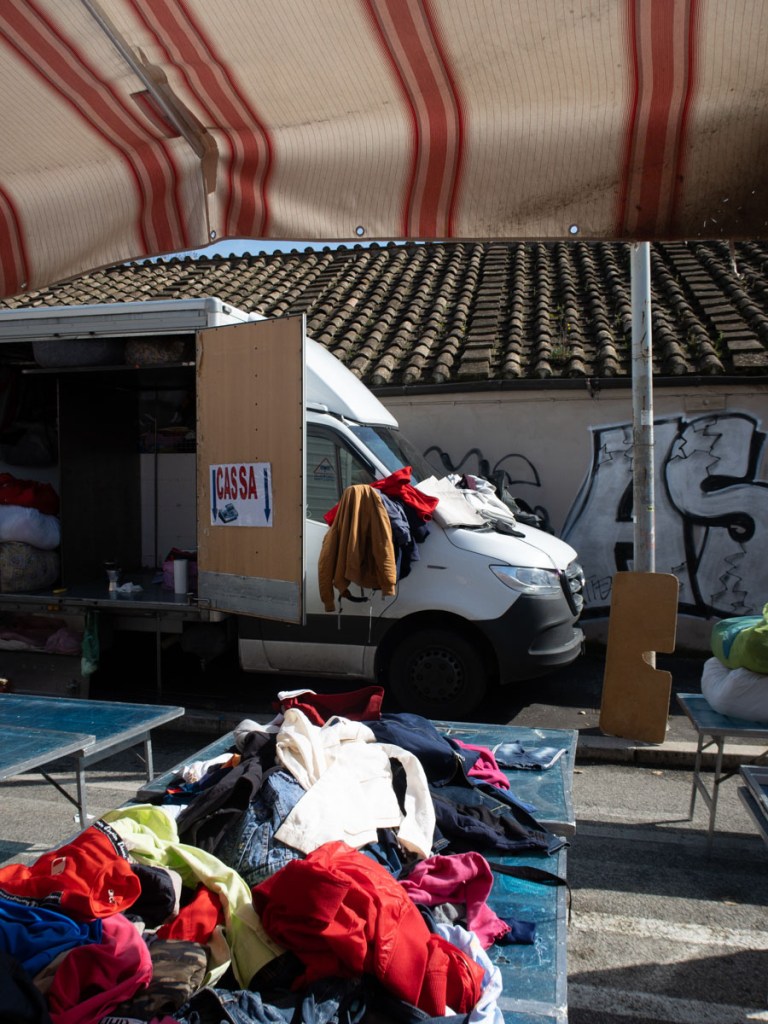
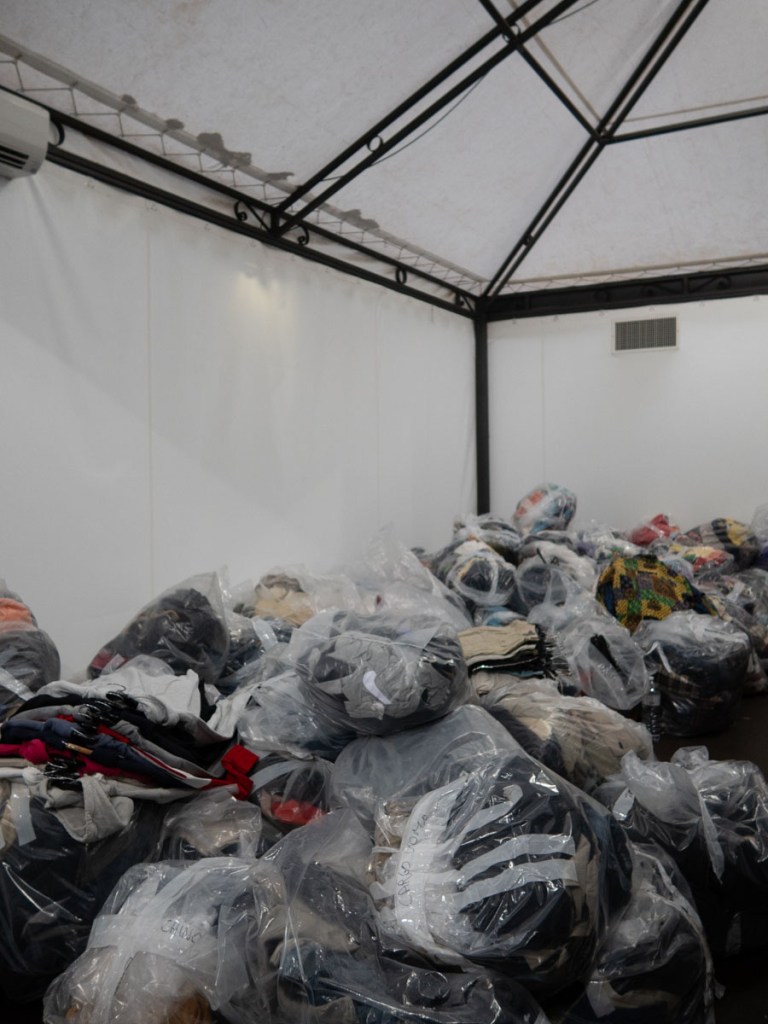
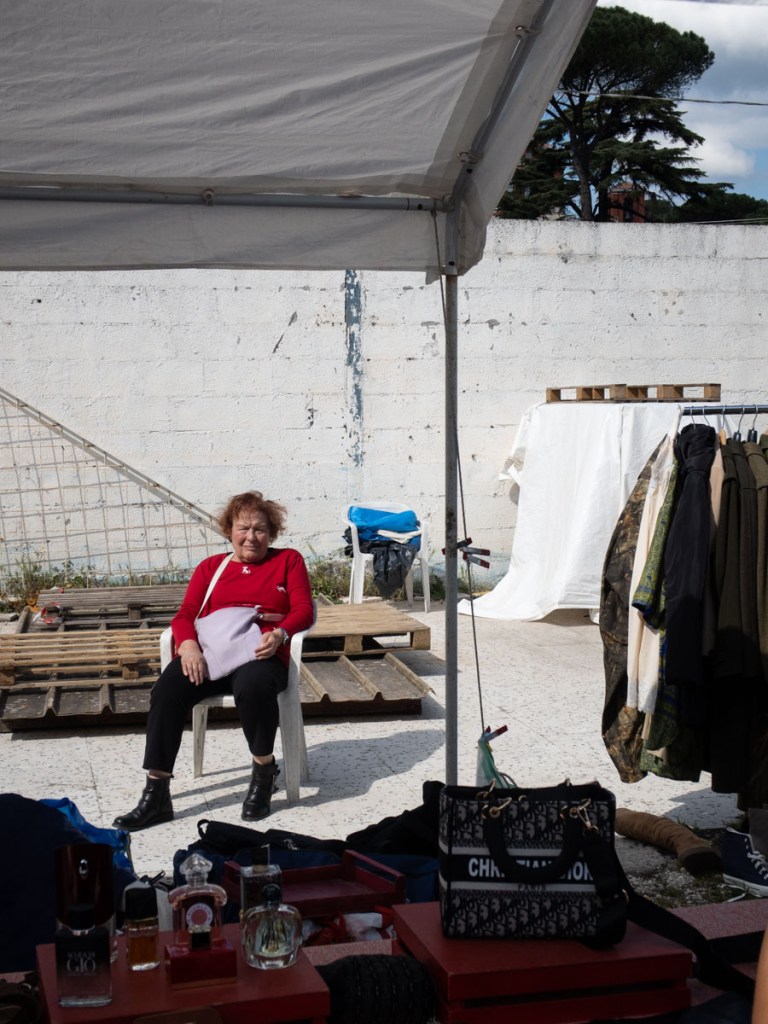
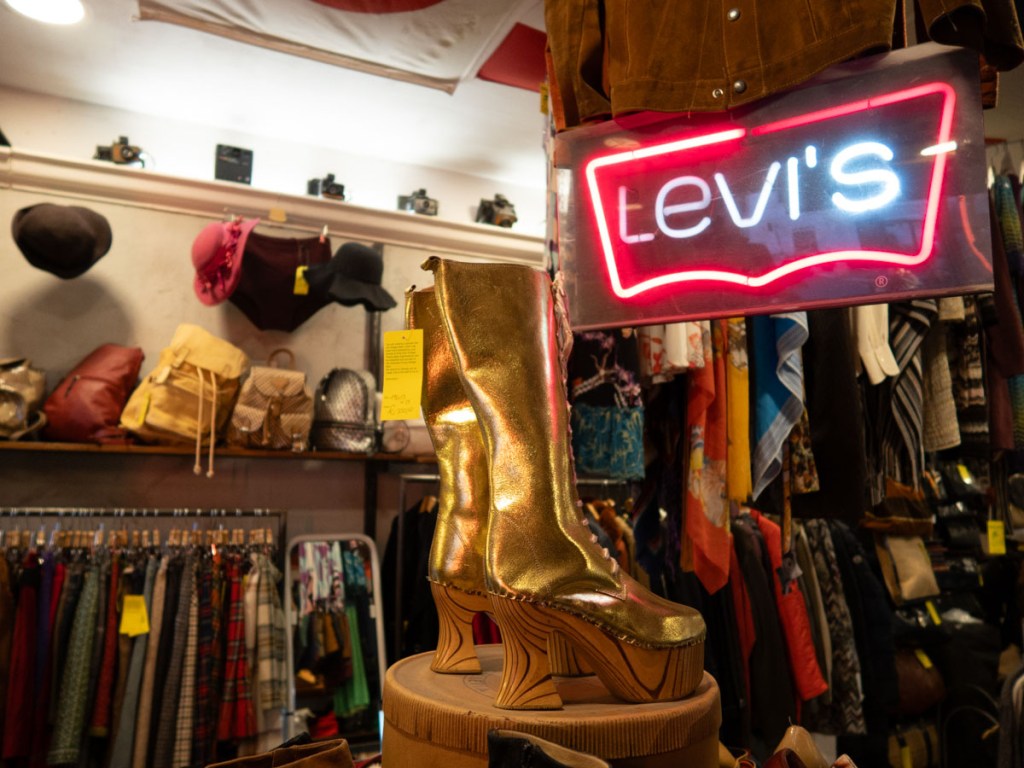
The busy streets of Rome have been experiencing a quiet insurgence in fashion for some time. As sustainable choices gain momentum, vintage shopping only keeps rising in popularity across this eternal city, blending timeless Italian elegance, with a modern twist to slow fashion. From bustling markets to curated luxury vintage boutiques, Rome has become a sanctuary for those seeking fashion with a story.
“I have seen a rise in sales both in store and online, especially in certain times of the year like Christmas,” said Antonio D’Aniello, a boutique worker from Gioielleria Vintage.
This growing trend is fueled by many different factors. Firstly, Italians are known for their long history of impeccable style and are increasingly turning to vintage shops for not only their unique appeal, but also for the environmental benefits. According to Goodwill Industries International, shopping secondhand helps the environment in three main ways: it keeps clothing out of landfills, it reduces the number of resources wasted, and it reduces pollution. It is estimated that the fashion industry uses up to 25 percent of the world’s carbon budget. Additionally, economic challenges have driven many people to seek affordable yet high-quality alternatives to fast fashion.
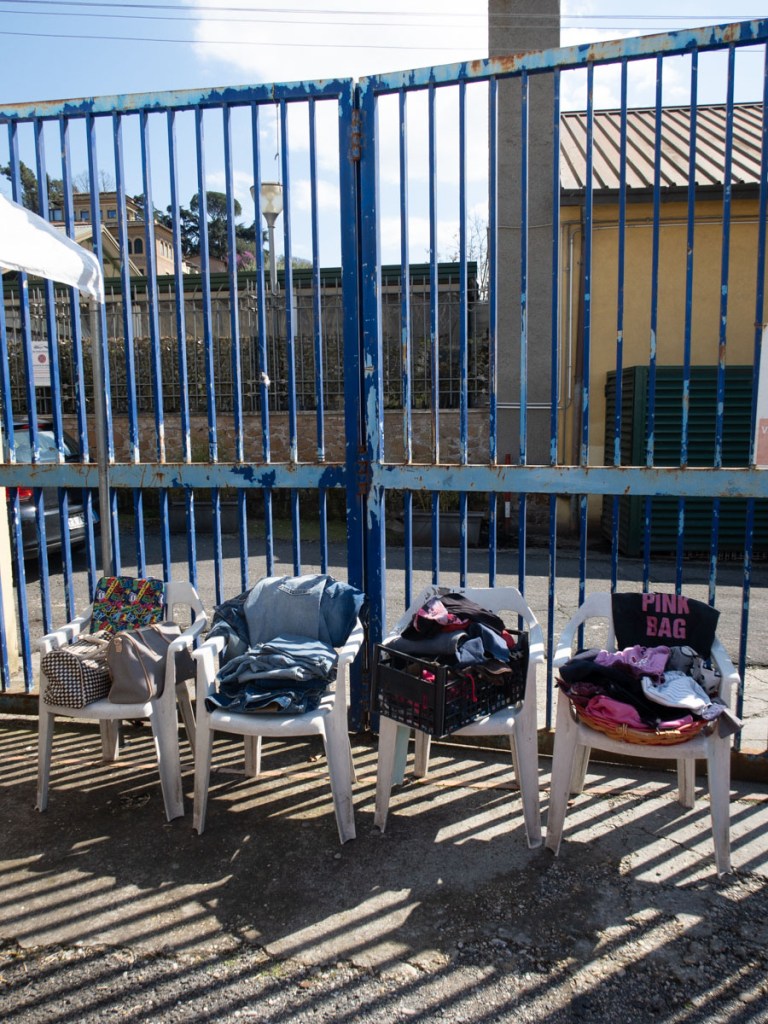
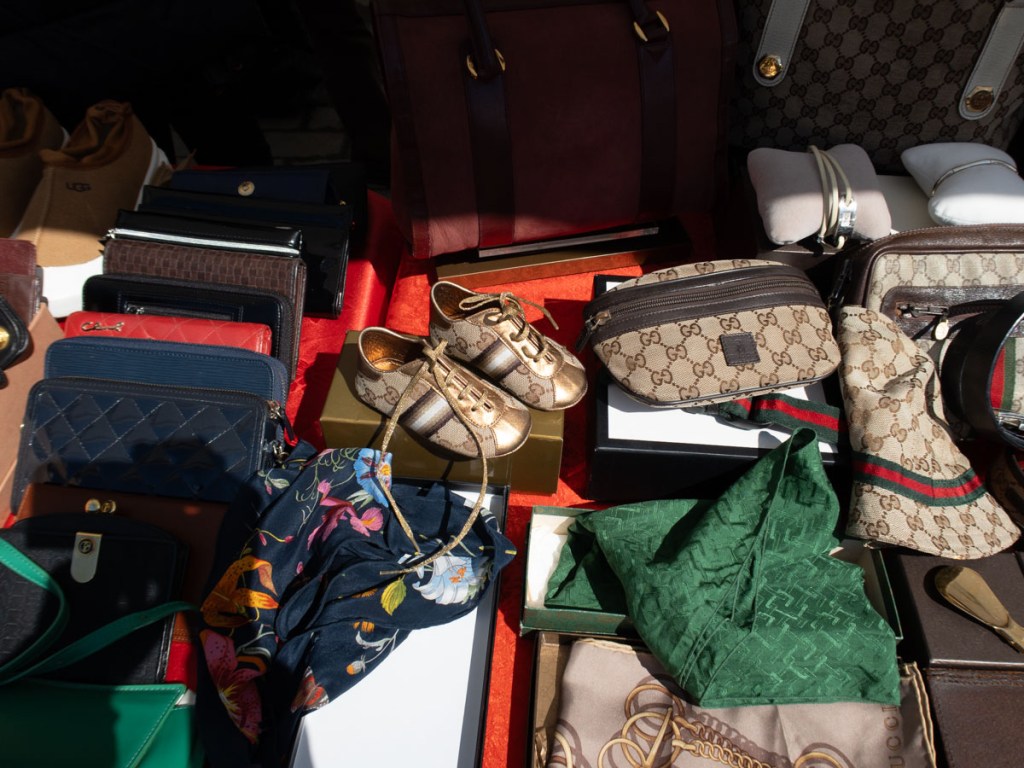
Markets such as Porta Portese, dating back from the 1940s, curated vintage stores like Pifebo Vintage Shop in Monti, and Mercatino are locations scattered across the city that offer a wide range of second-hand goods, ranging from retro designer clothing to various accessories. These places cater both to regular local customers and the occasional tourist.
Rome’s vintage shopping scene supports the principles of slow fashion by encouraging the reuse of items and reducing waste. According to the European Environment Agency, extending the life of clothes by just nine months can reduce their carbon, water, and waste footprints by 20 to 30 percent. Vintage markets and shops in Rome offer both locals and tourists a way to participate in more sustainable fashion practices that are both good for the environment and their personal style.