In Photos
By Neddie Clews | Photoreporter
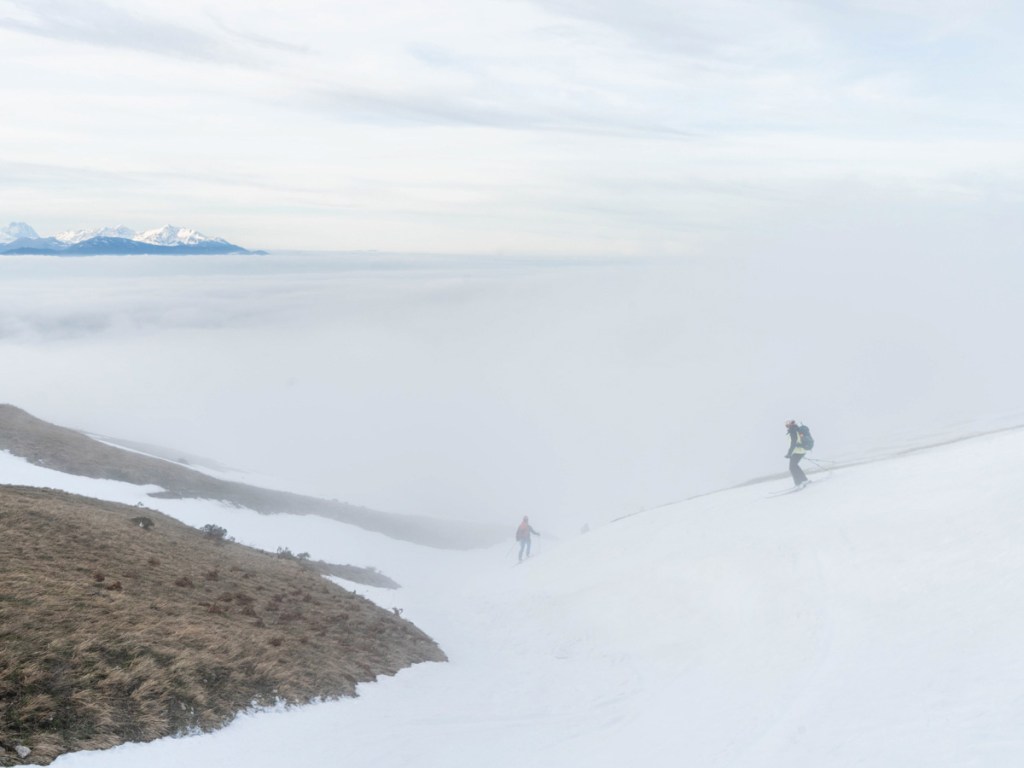
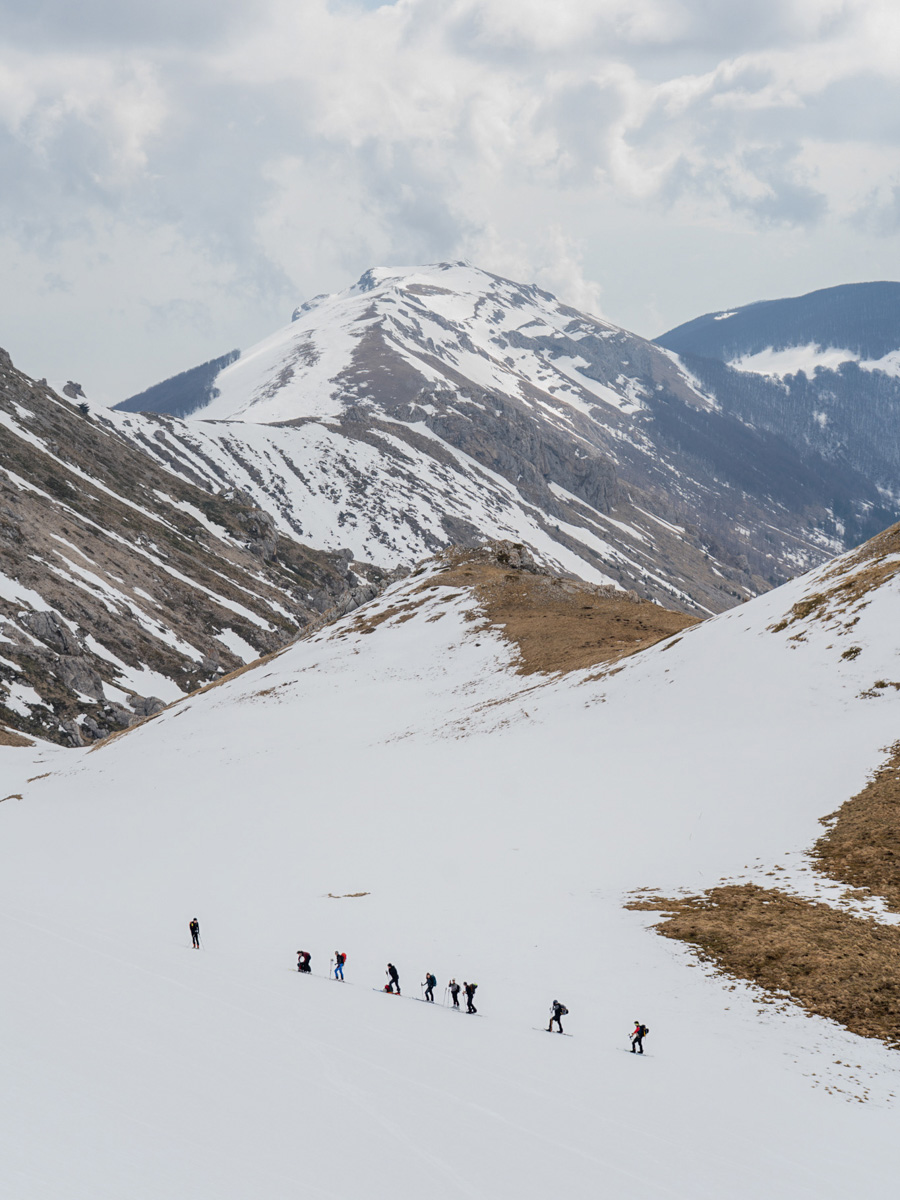
A month of skiing is lost on Italy’s tallest mountain due to changing climate. With a steady decline of snowfall in recent years within the central Italian region of Abruzzo, the infamous Apennine mountains have become less and less accessible to skiers.
Alpine skiers have frequented the region for decades, but according to PACC Abruzzo, the Climate Change Adaptation Plan of Abruzzo, it is one of the Italian regions with the highest vulnerability to climate change. This is mainly due to its high climatic diversity, as it extends from the Adriatic Sea to the peak of Gran Sasso standing at 2,912 meters.
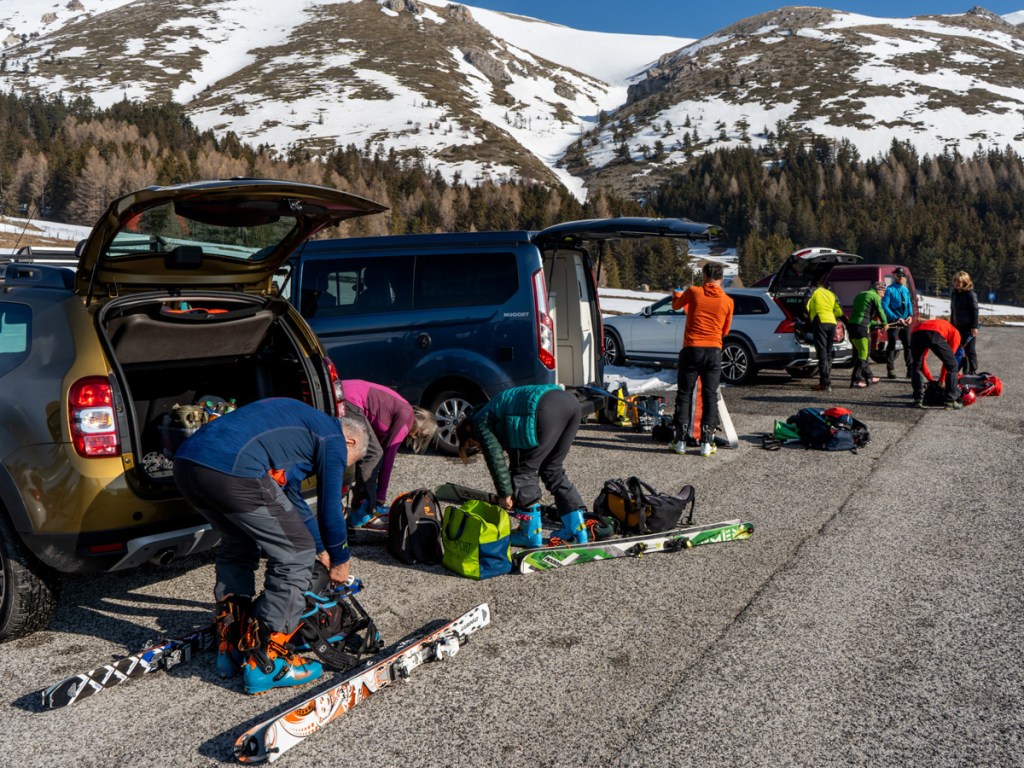
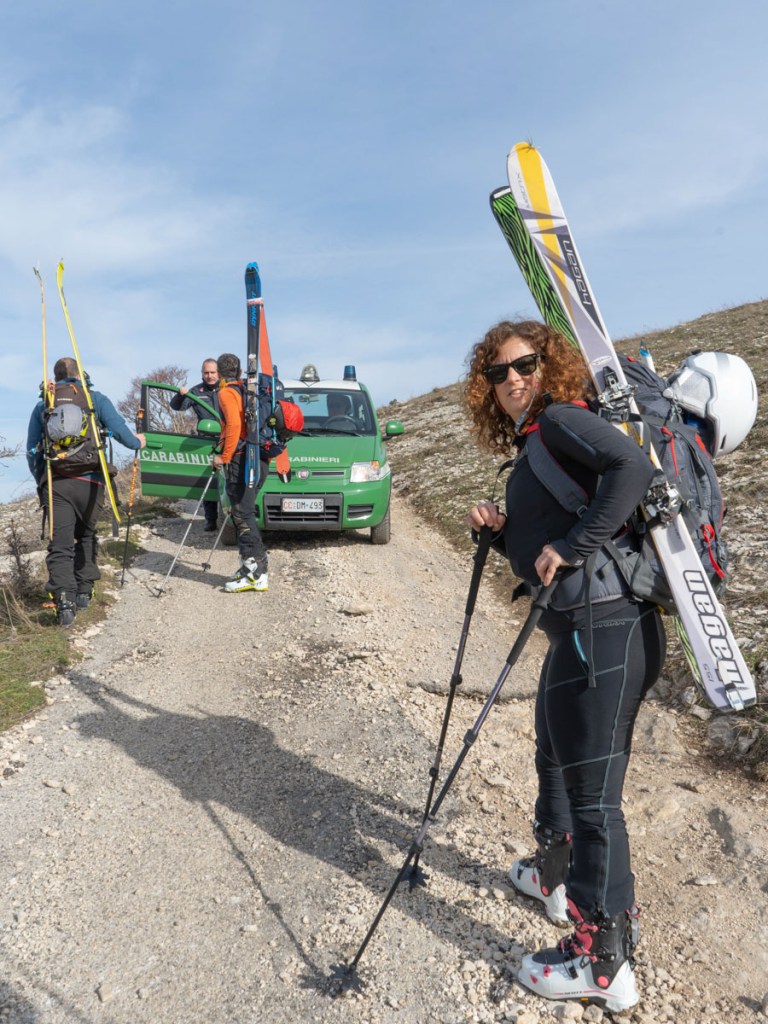
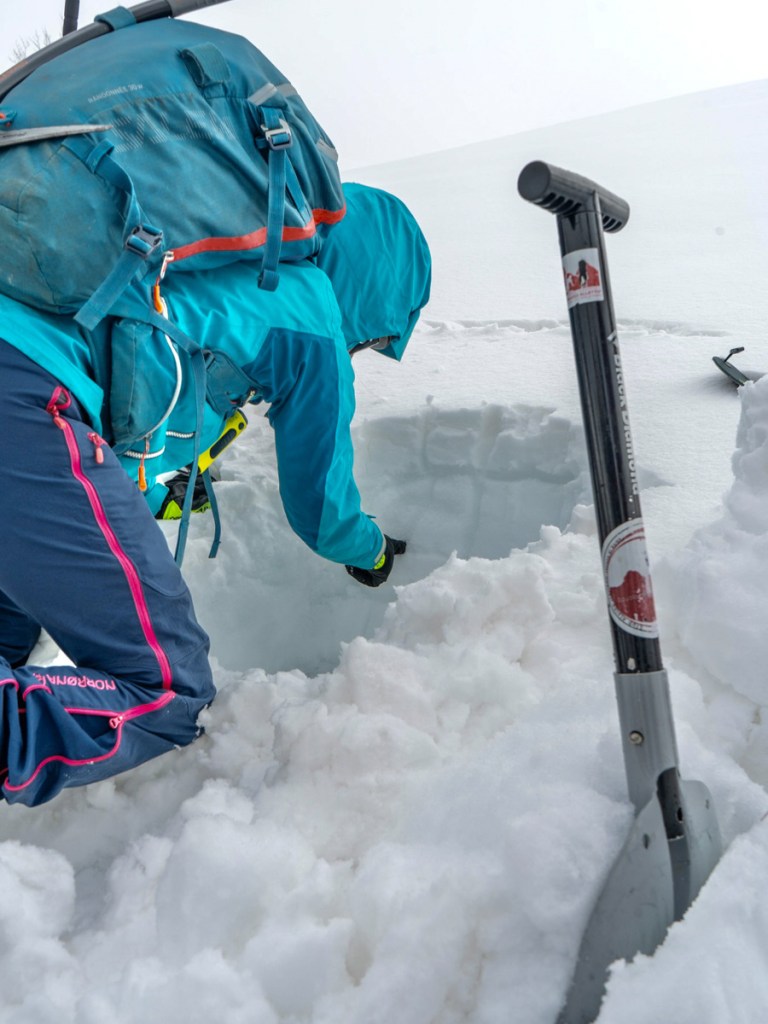
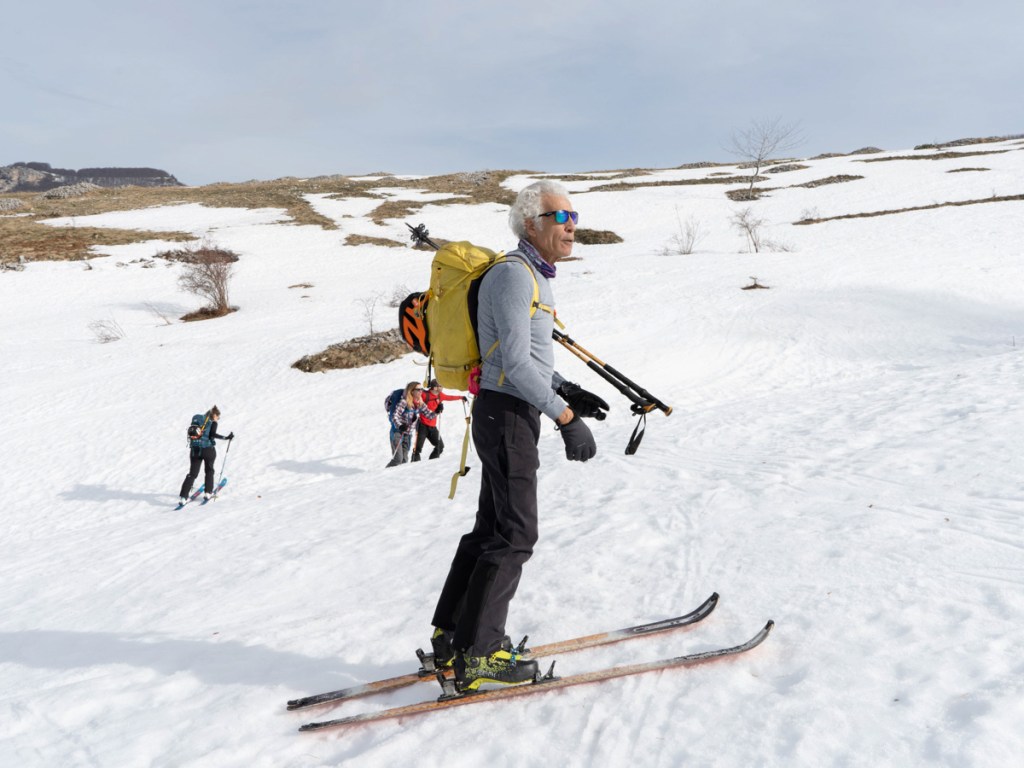
“Snow like this now only comes once a season,” said Matteo Centemero, an alpine ski instructor for Franco Alletto Mountaineering School, standing on ½ a meter of fresh snow, on a 10ºc day in February. Centemero has been skiing in Abruzzo for over 30 years and has noticed a fundamental difference in the snow conditions from his youth until now. While trying to instruct the avalanche safety portion of the course, he commented on the difficulty in having enough snow to even demonstrate how to properly use the rescue equipment.
Other residents of the region recall past ski seasons lasting from November to May, but now the first snow frequently is not until after new year and only lasts until mid-April. As a result, many hotels in the area have closed early, due to the lack of tourism that used to be plentiful.
In a recent study done by the academic journal The Cryosphere, researchers analyzed archived climatology reports from central and southern Apennines from 1951 to 2001. Their results show that in the 50-year period the average number of days where there is snow coverage has decreased from 65 to 45, demonstrating a loss of 20 days of snow coverage, equivalent to almost the whole month of February.
The sport of alpine skiing relies heavily on natural snowfall as there is no capacity to utilize man-made snow as in large, curated ski resorts. When a huge chunk of days of natural snow coverage is lost, the season is significantly reduced, and the sport and region is dramatically affected.
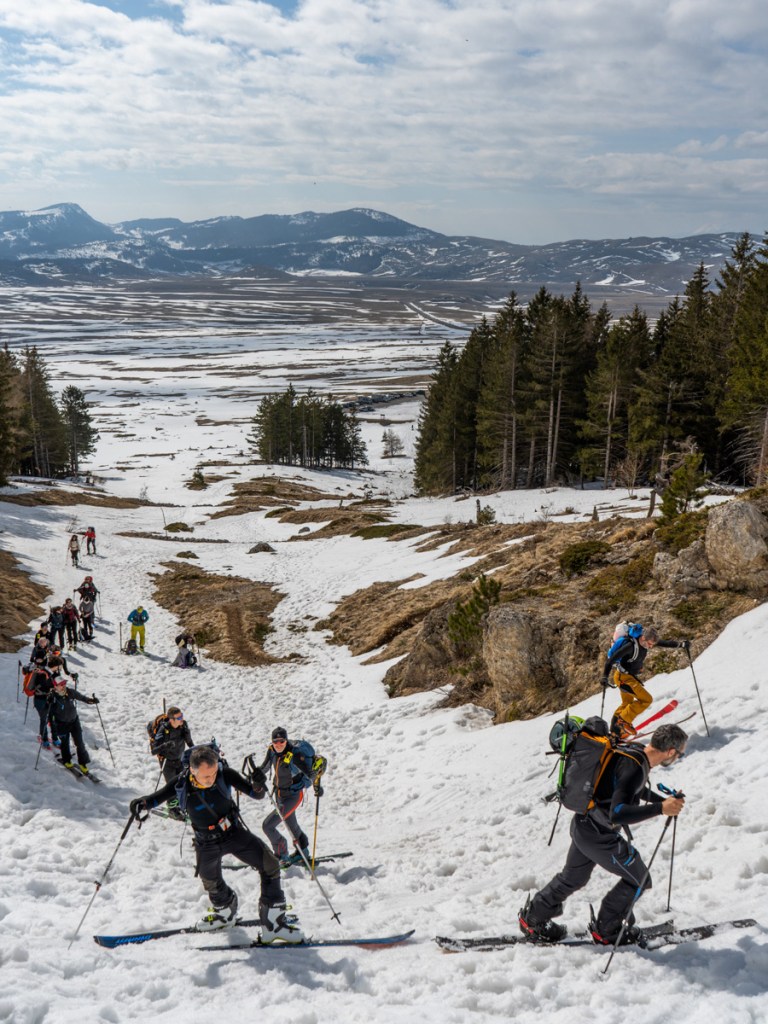
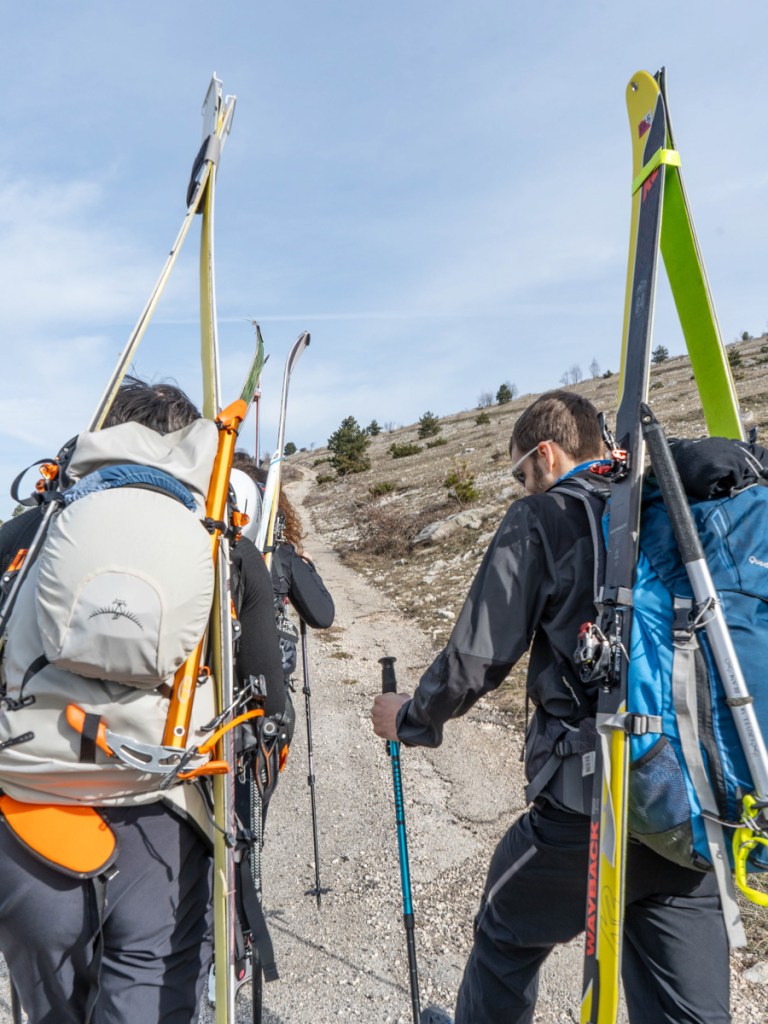
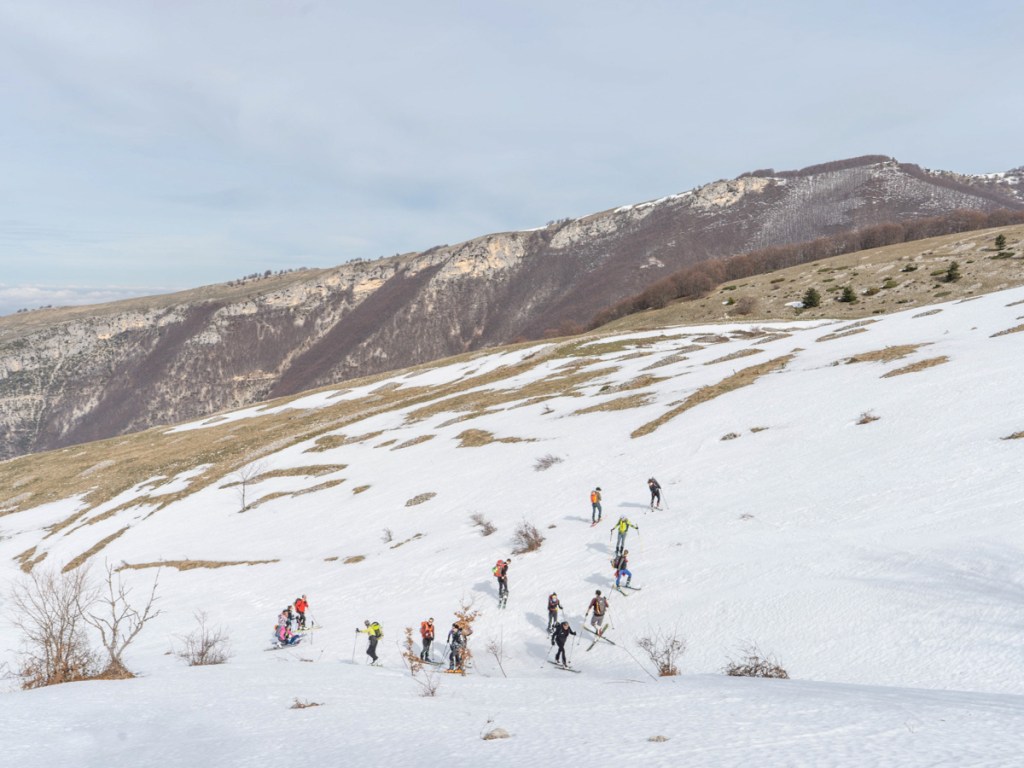
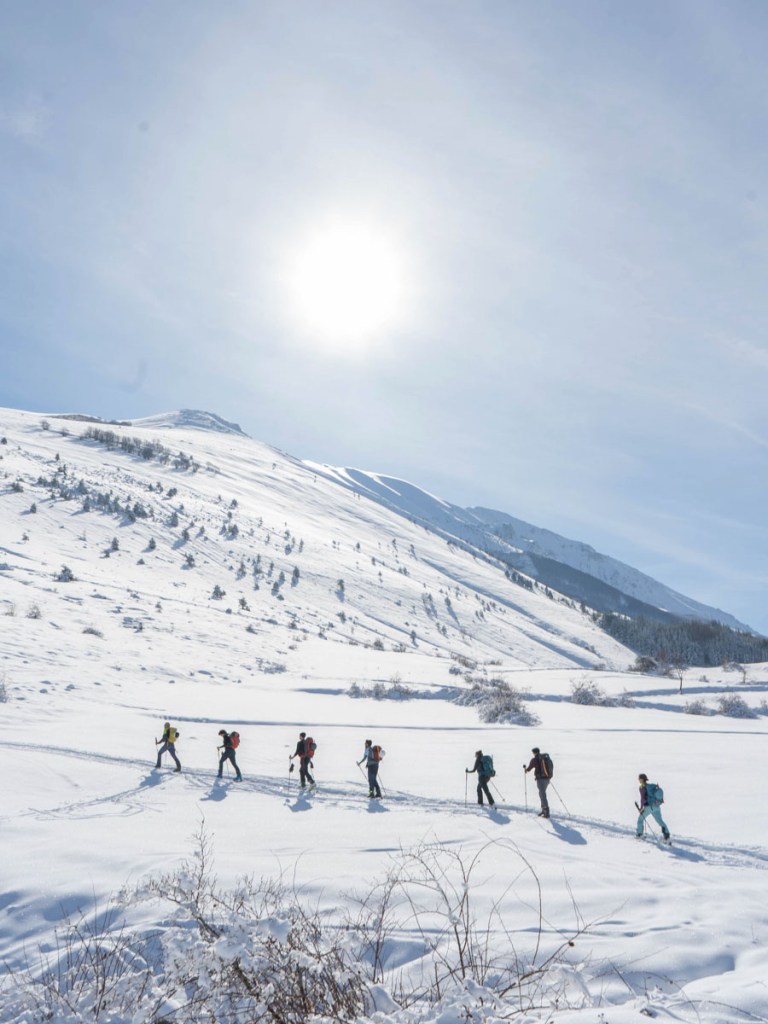
February 1, 2025.
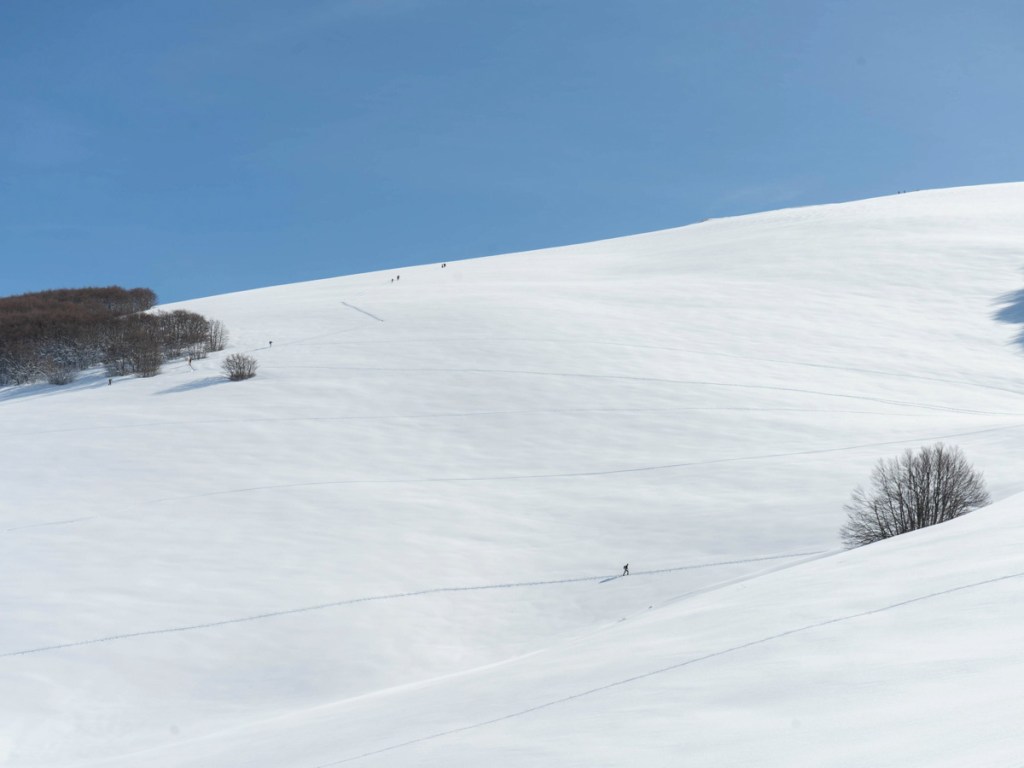
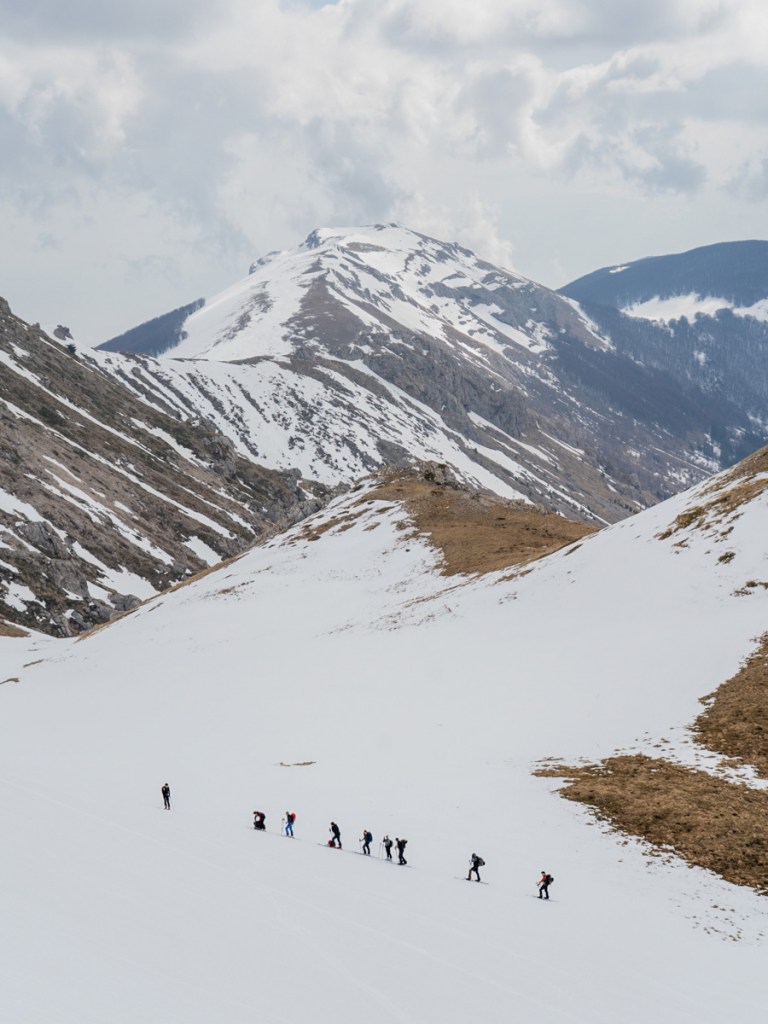
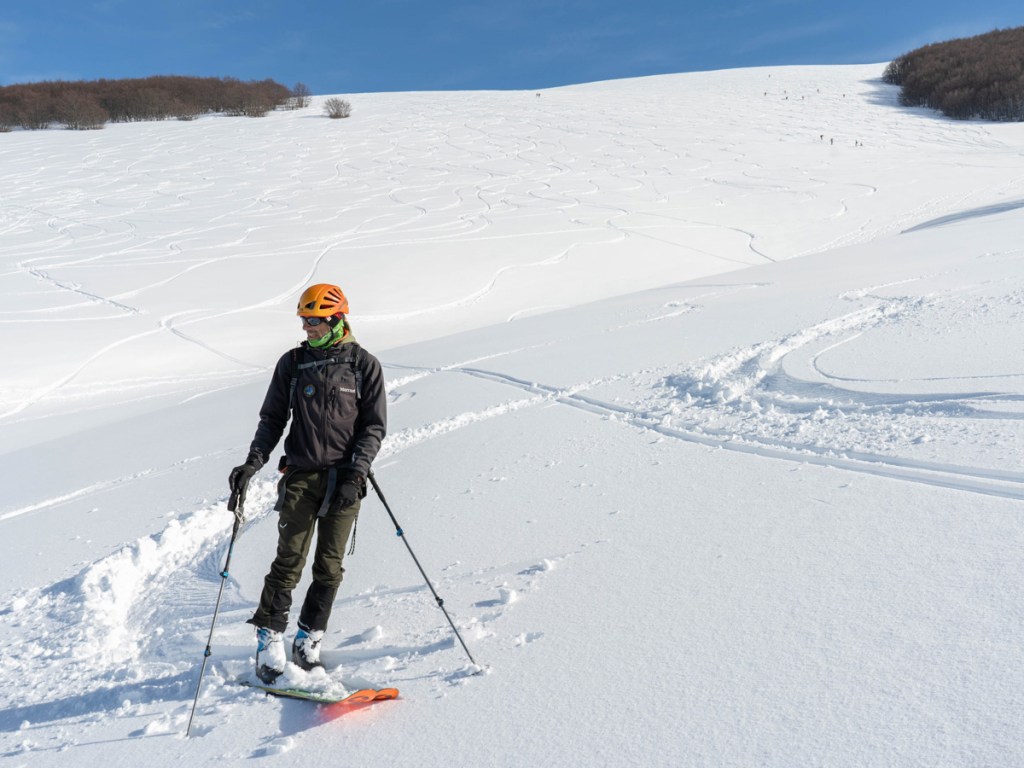
“Snow like this, now only comes once a season,” said Centemero.