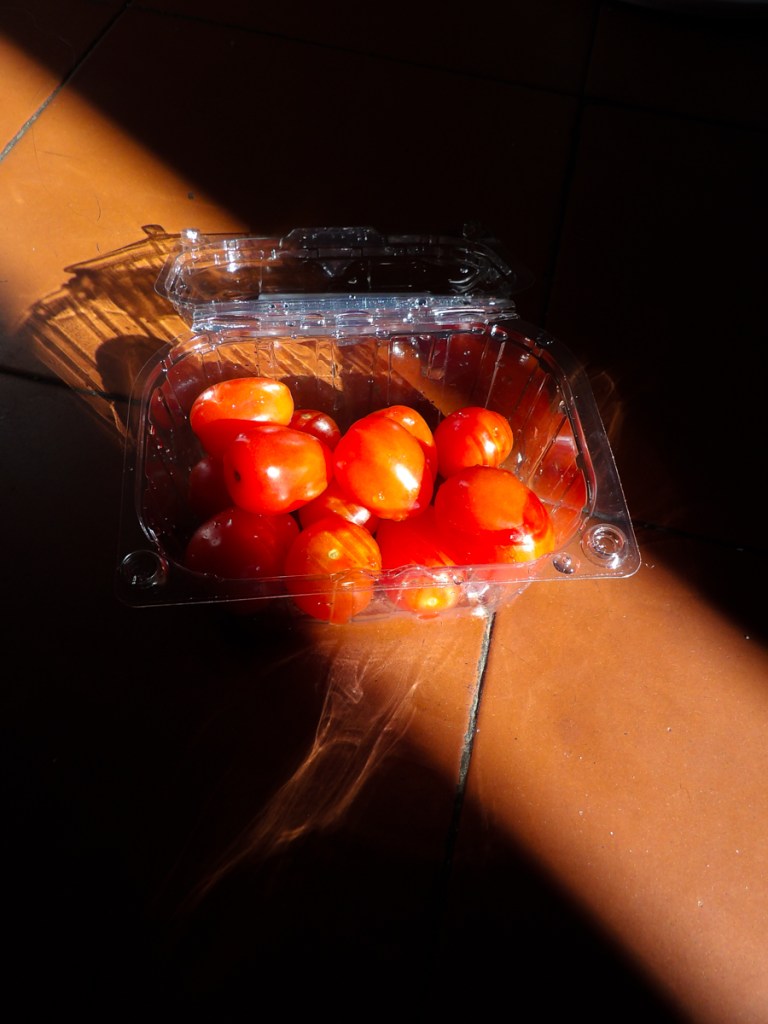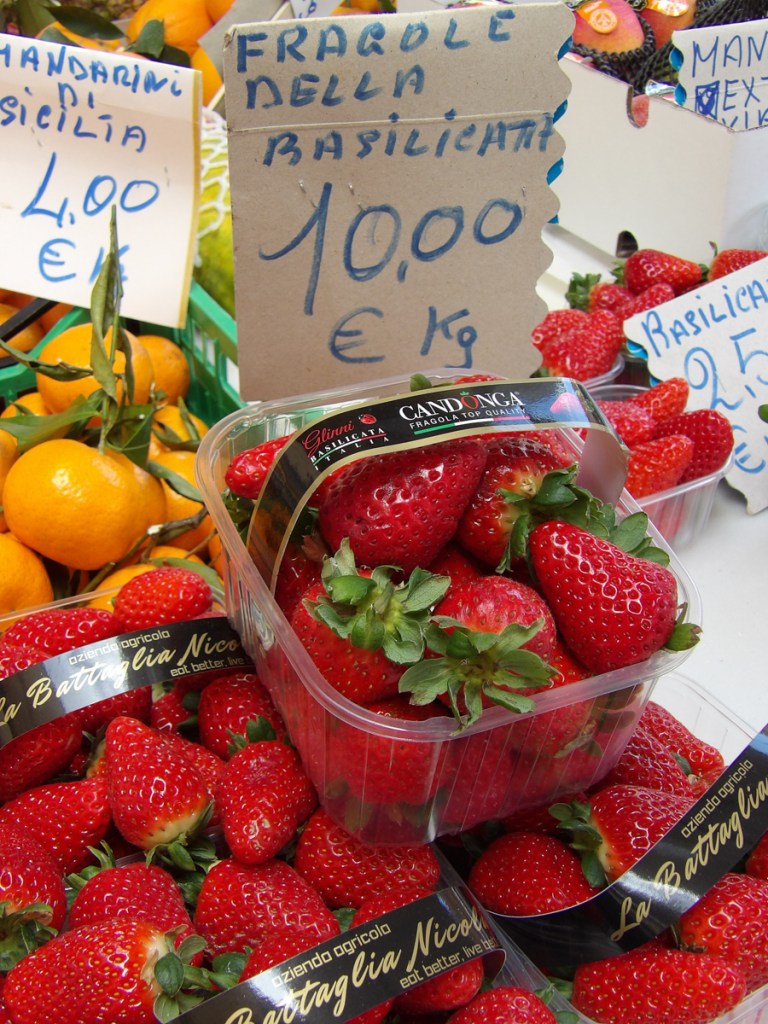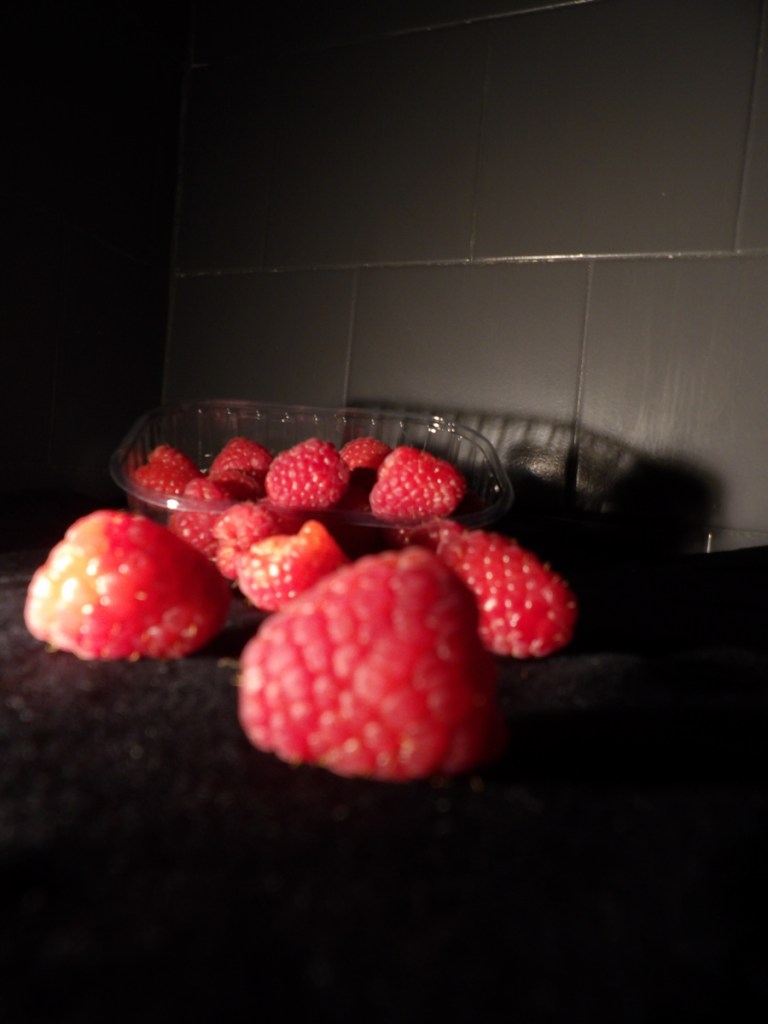
In Photos
By Sarah Beaudin | Photoreporter
Food is the heart of Italian culture, but what brings people together is slowly killing them. Farm-to-table is more complicated than ever, with the use of food preservatives and pesticides, fresh food might not be as fresh as it seems.
Over the past 10 years, the Italian Ministry of Health (MOH) has established new laws and regulations to protect the freshness of food and reduce the amount of pesticides used in farming. In 2016, MOH banned glyphosate, which was used as a pre-harvest pesticide in commercial farming. In 2015, the International Agency for Research on Cancer classified glyphosate as “probably carcinogenic to humans” based on limited evidence of cancer in human exposure and adequate evidence of cancer in experimental animals.
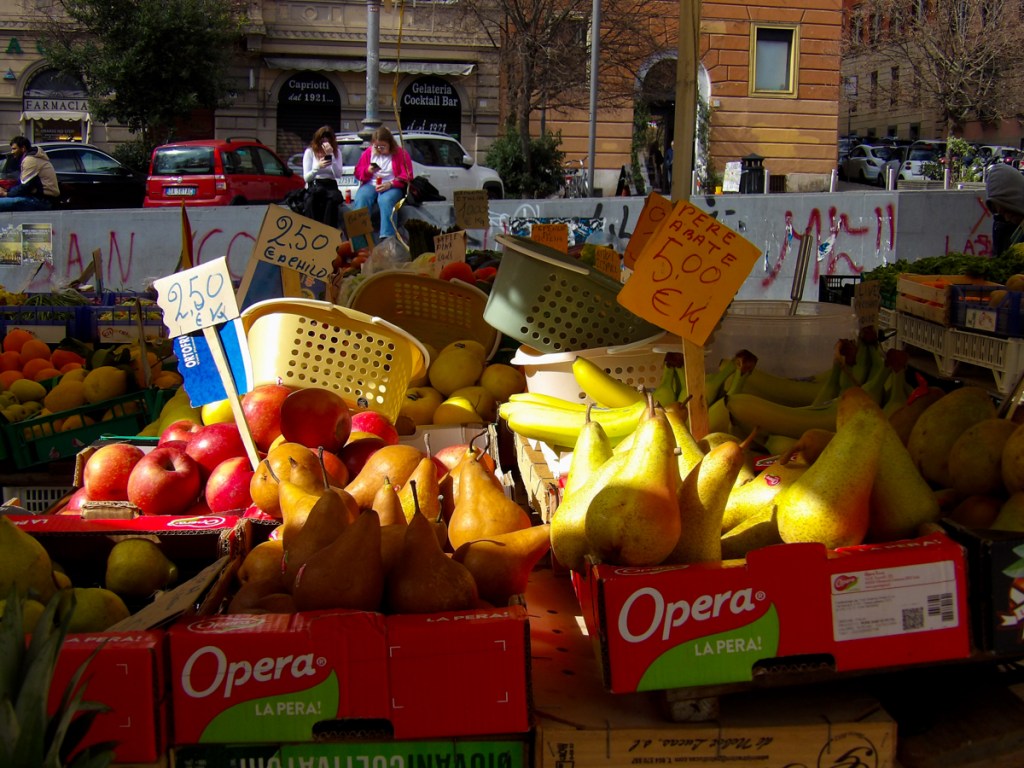
“I want to be able to feed [my family] with healthy foods,” said Monica, 43, a mother who was shopping at the market in Piazza San Cosimato. “I feel produce with preservatives are not good for my family.”
Although the MOH has passed essential laws that help preserve the quality of our food, some preservatives such as sodium benzoate are still used in Italy to prolong shelf life. Sodium benzoate is generally considered safe for consumption, but according to Healthline, prolonged exposure to the man-made compound could increase the risk of inflammation, oxidative stress, obesity, ADHD, and allergies.
Slow Food is an Italian non-profit organization that promotes local food and traditional cooking. They organize events and educate the community about topics such as biodiversity, food and health, and genetically modified organisms (GMOs).
In 2022, Slow Food launched their #IChooseGMOFree campaign, which was supported by 420,000 signatures. The campaign’s objective is for companies “to guarantee traceability, safety tests, and true freedom of choice for consumers and farmers” and make fresh food and farm-to-table accessible and straightforward.