
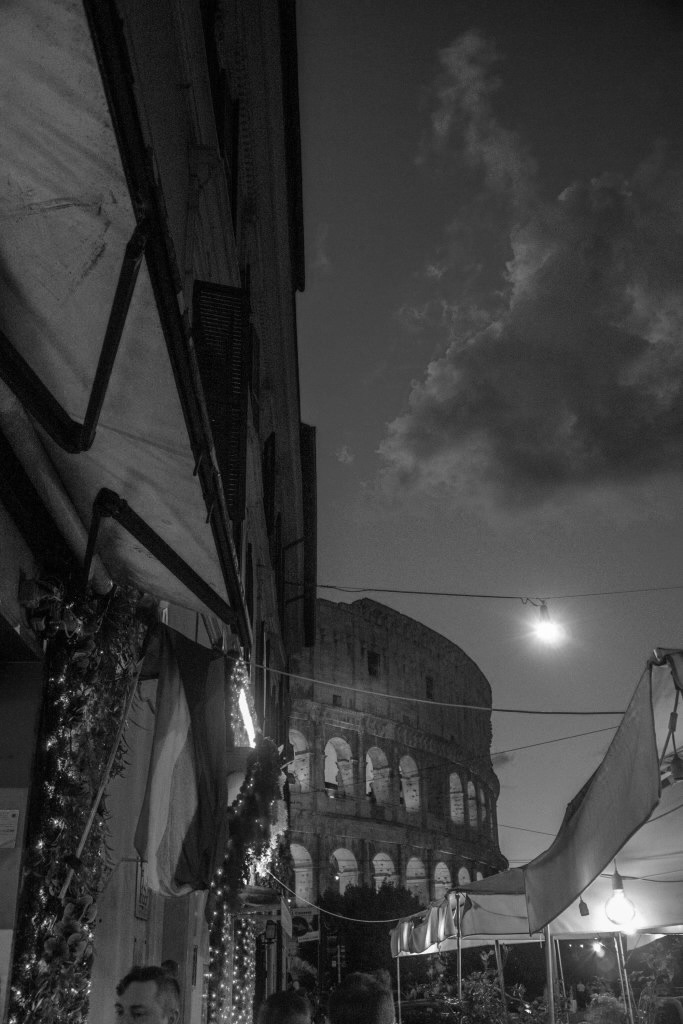

In Photos
By Carolina Littleton | Photoreporter
With the rapid increase in LGBTQIA+ identities, it is more important than ever for there to be safe spaces that these individuals of any age, color, identity, and sexual orientation can go to without feeling threatened or judged. The search for queer safe space has drastically amplified due to, not only the political state of Italy, but also the upcoming year of the Jubilee. When asked about how she believes the global change taking place across the world due to religious events and the current political state of the US, Kat Kierkegaard, 19, highlights her worries regarding the US election stating that “I think my perspective has changed since the election because of the way people now view queer rights on a global scale.”
Expanding and broadening the minds of businesses, restaurants, and other public spaces will help them strive to create a welcoming environment for the LGBTQIA+ community. It is crucial for places like this to exist, especially in big cities like Rome, because it becomes easy to get “lost in the crowd” in such places. However, with people in positions of power, like Giorgia Meloni, who speaks against LGBTQIA+ rights it becomes difficult to pursue this way of life and make it reality. T
he construction, redesign, and rebuild that Rome is undergoing due to the Jubilee has many people apart of its local queer community wondering how many places will be left for them to feel safe in, not only because of the influx of tourists that will be taking over certain local areas of the city, but also the religious aspect of the Jubilee because it’s celebrating a religion that is often associated with a disregard of queer individuals.
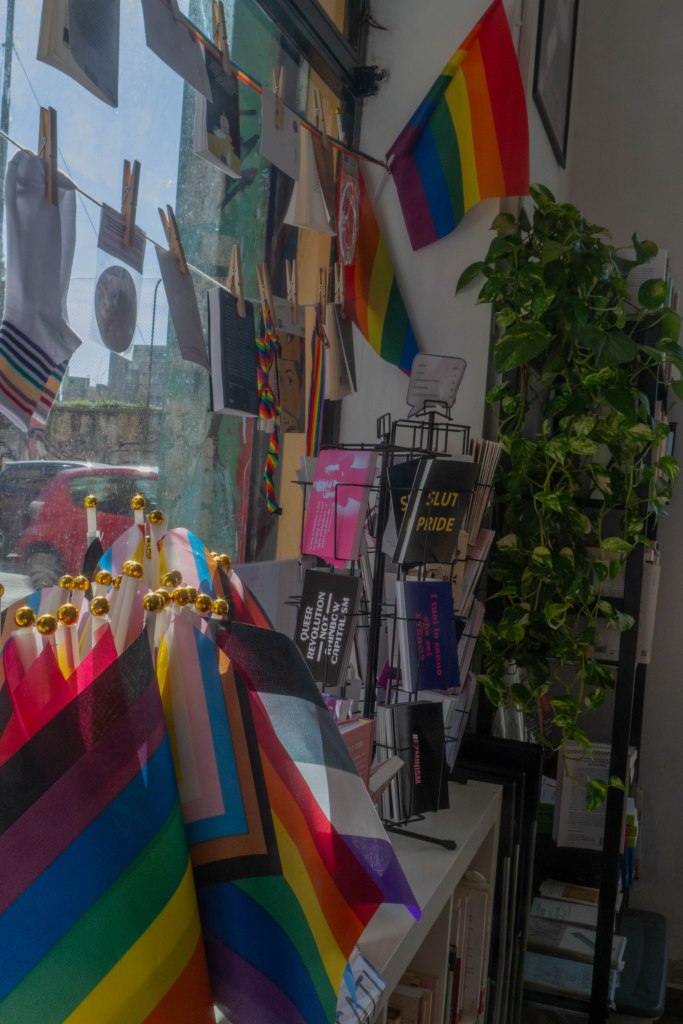
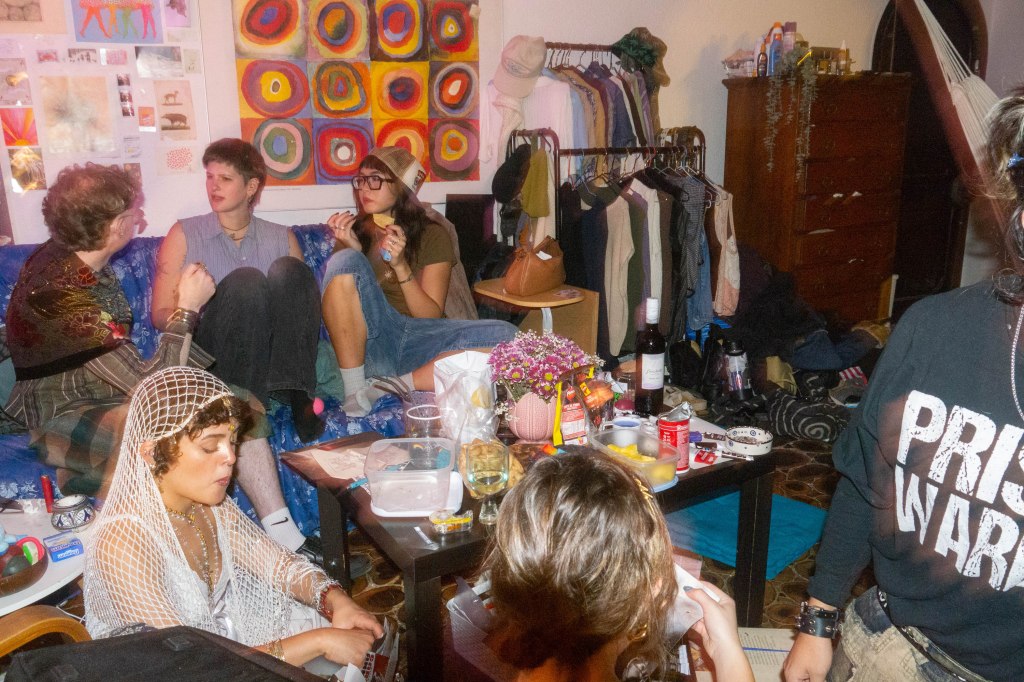
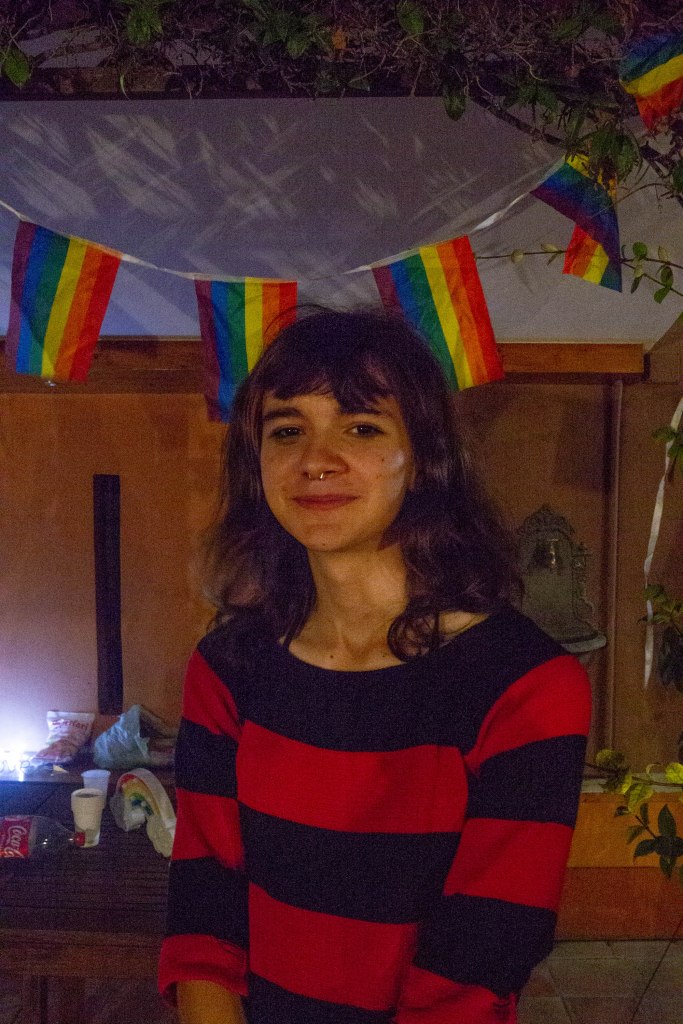
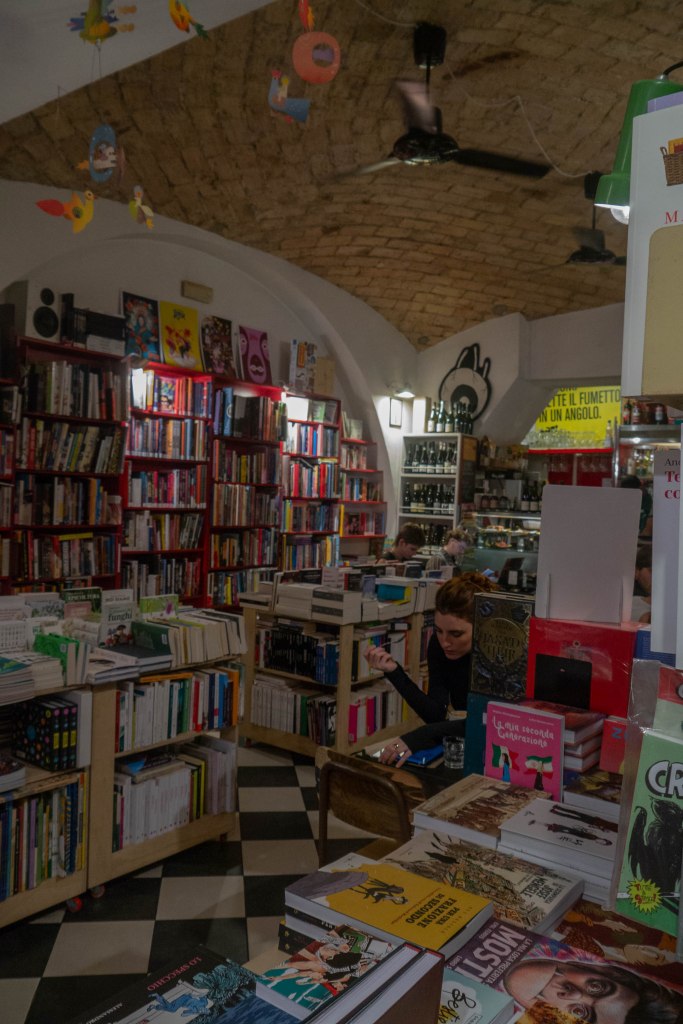
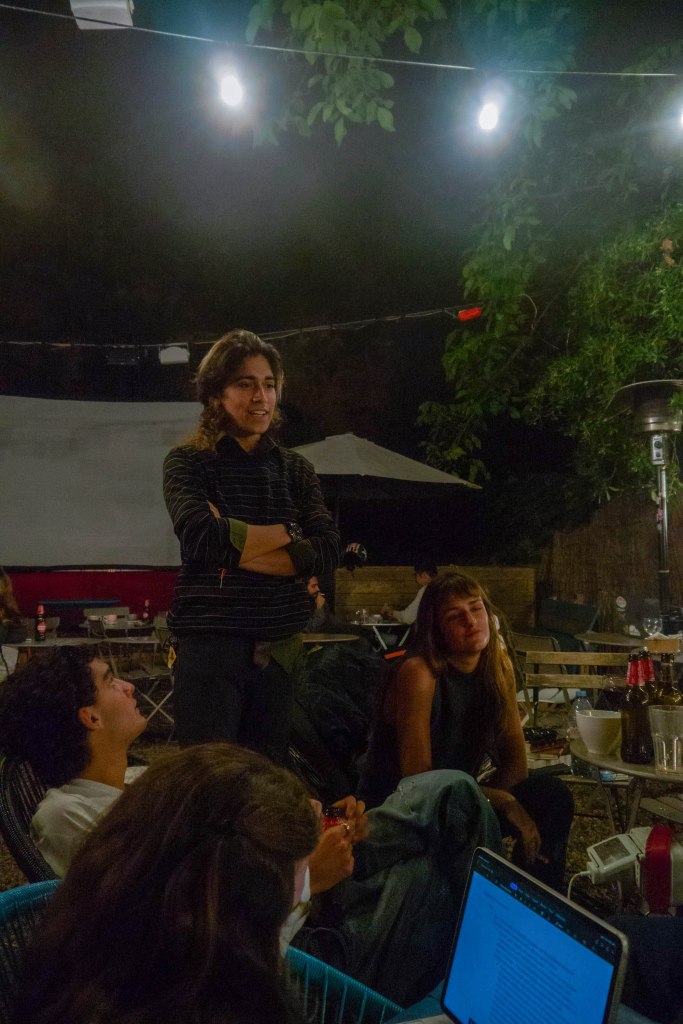
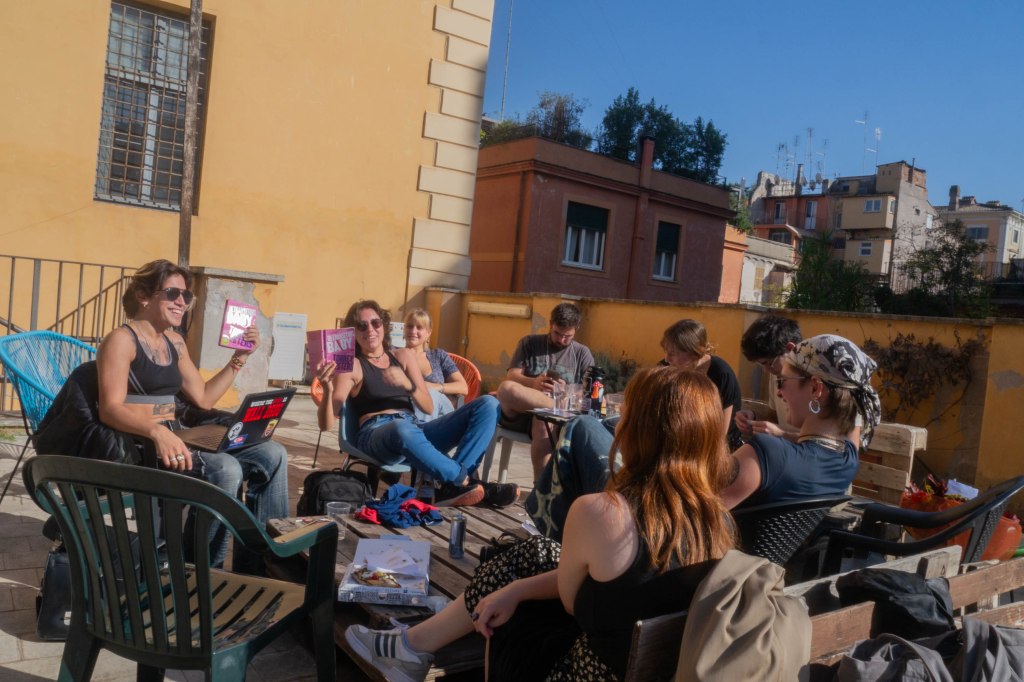
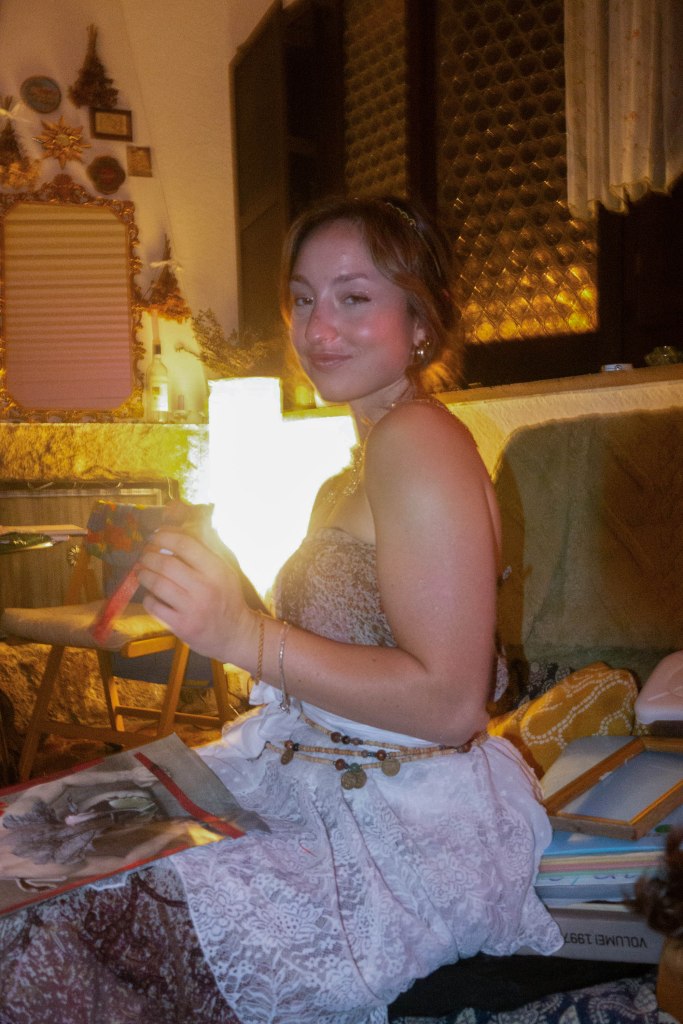
Regardless of any current spaces that may undergo change during this time, there are many different kinds of places that queer people may consider as a safe space whether it be a legitimate gay bar made for every person to feel comfortable expressing themselves outwardly in a social environment, or this safe space can also exist within the four walls of a friend’s apartment that opens its doors and arms to everyone who knocks.
Given the fact that there is not necessarily a particular area in Rome that is dedicated to catering to the queer community, these self-created and contained areas that reside in smaller pockets in the city are essential to the growth, safety, and recognition of queer culture.




 thematthewrome.com