


In Photos
By Adriana Ortega | Photoreporter
Immigrants work across a variety of sectors, with many serving as the backbone of the hospitality industry, working in cafes, restaurants, and stores. By giving the spotlight to these often-invisible workers who contribute not only economically, but also socially, we can highlight their contributions to the city’s diversity and atmosphere. Their stories and faces reveal the untold narrative of resilience and hard work, highlighting how migration has shaped modern Rome, according to the Guardian.
The contributions of immigrants in Rome are often overlooked, but they are integral to the city’s vibrant culture and economy. While one may not perceive the hard work of the foreign workers within Rome, the immigrants themselves often bring all their energy to their occupation.
“I am a happy person, I like what I do for the community, why should I be serious? I love to smile,” says Aisa Barakat, 34, an Egyptian immigrant.
The 2024 World Day of Migrants, established by the Catholic Church in 1914, is an opportunity to reflect on the importance of migrants and the need for solidarity and was celebrated on Sept. 29. This year’s theme for the 110th World Day of Migrants and Refugees, “God walks with his people,” was presented by Pope Francis on June 3, at the Holy See Press Office emphasizing the dignity of every person, irrespective of their origin.
Pope Francis has consistently highlighted the need for a more inclusive approach to migration, urging the global community to embrace immigrants with compassion. His words resonate with the idea that immigrants, like all people, deserve a place of dignity and respect.
However, political rhetoric in Italy, especially under Prime Minister Giorgia Meloni, has often painted a different picture. Meloni’s restrictive policies on immigration have contributed to a climate of fear and division, shaping public opinion in a way that influences negative stereotypes about migrants. These attitudes are reflected in media and public discourse, which often fail to acknowledge the positive impact that migrants have on society.
The migration agreement between Italy and Albania, signed in 2023, is a clear example of Italy’s evolving approach to managing immigration flows. While it offers more structure pathways for Albanian migrants to come to Italy for work, it also reinforces a transactional view of migration, where immigrants are seen primarily as a source of labour rather than as individuals with their own rights and dignity.
While “Italy will have almost 5 million fewer people” by 2050, according to Reuters 2023, Meloni constructed the perspective of migrants solely as a plug to the “yawning labour gaps in the country,” simplifying Italy’s migrants as objects, disregarding their humanness and efforts within the community. This agreement, combined with Meloni’s rhetoric, underscores the tension between the political and humanitarian dimensions of immigration.
Counteracting these negative perceptions through the amplification of the ever so contributing immigrants of Rome put into perspective their role in shaping the bustling historical city.
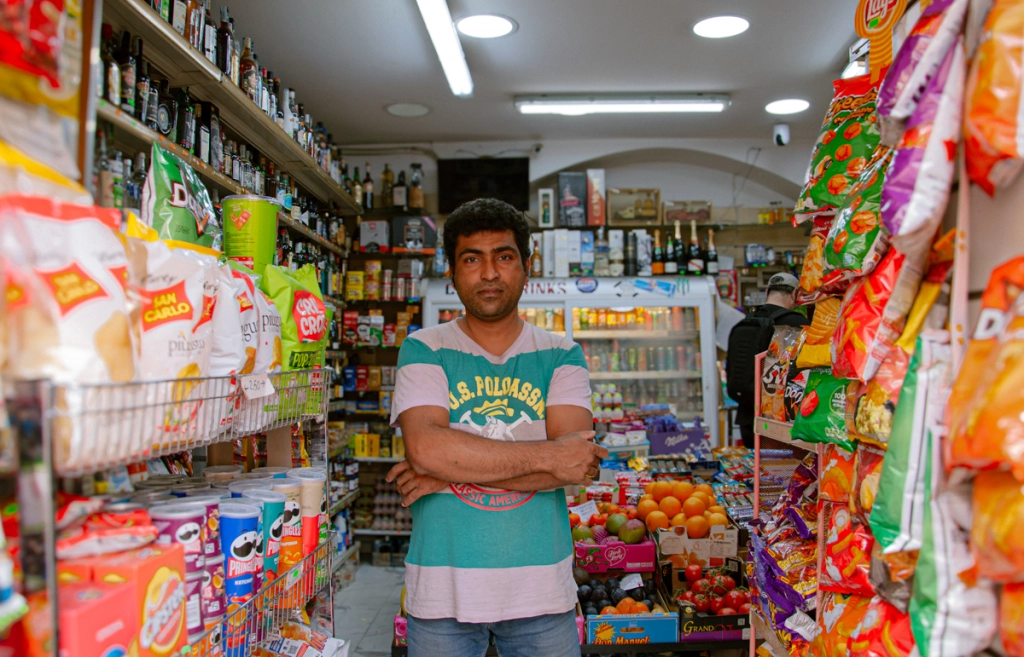
poses for a portrait in front of his mini-market where he works everyday in Trastevere, Rome.


at Kebab Station in Trastevere.
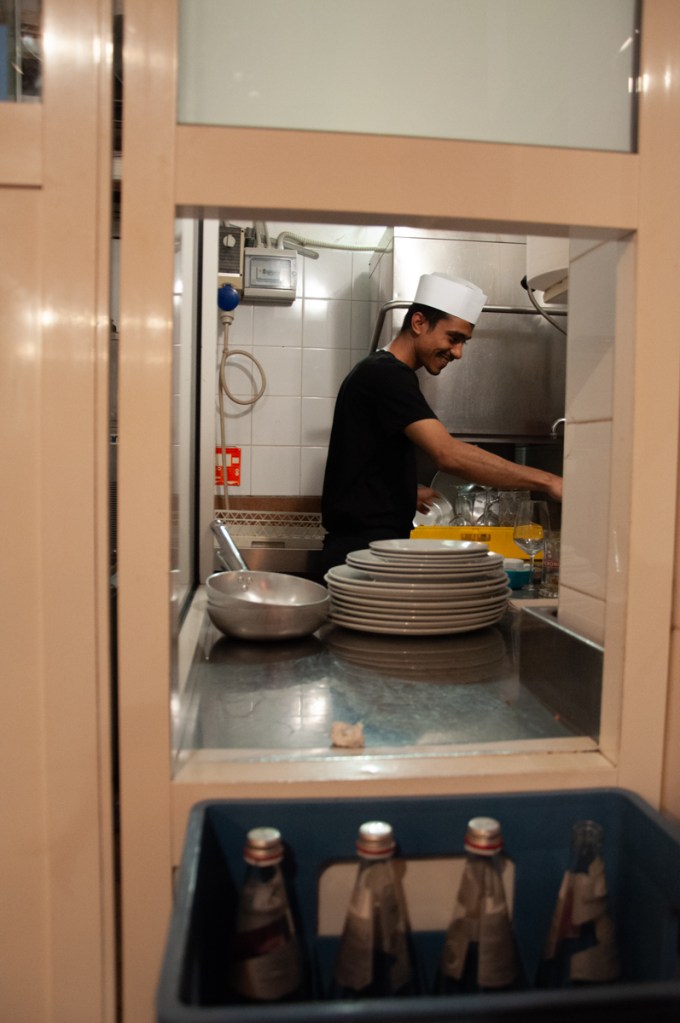
cleans dishes while laughing with his colleagues in the center of Rome, Italy.
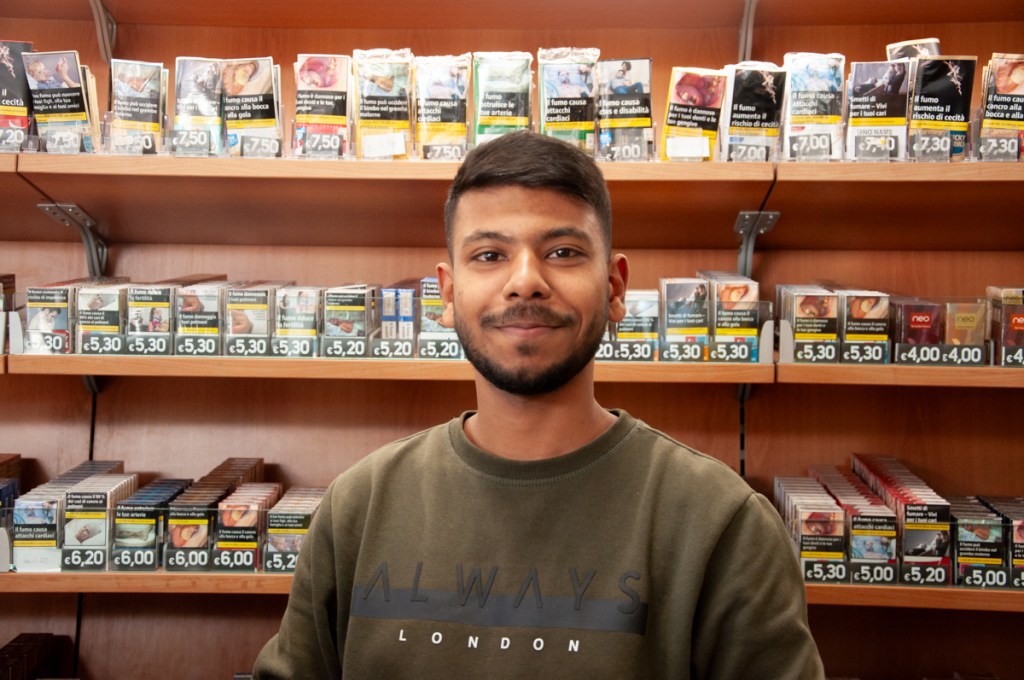
at his community bar in Portuense, Rome.
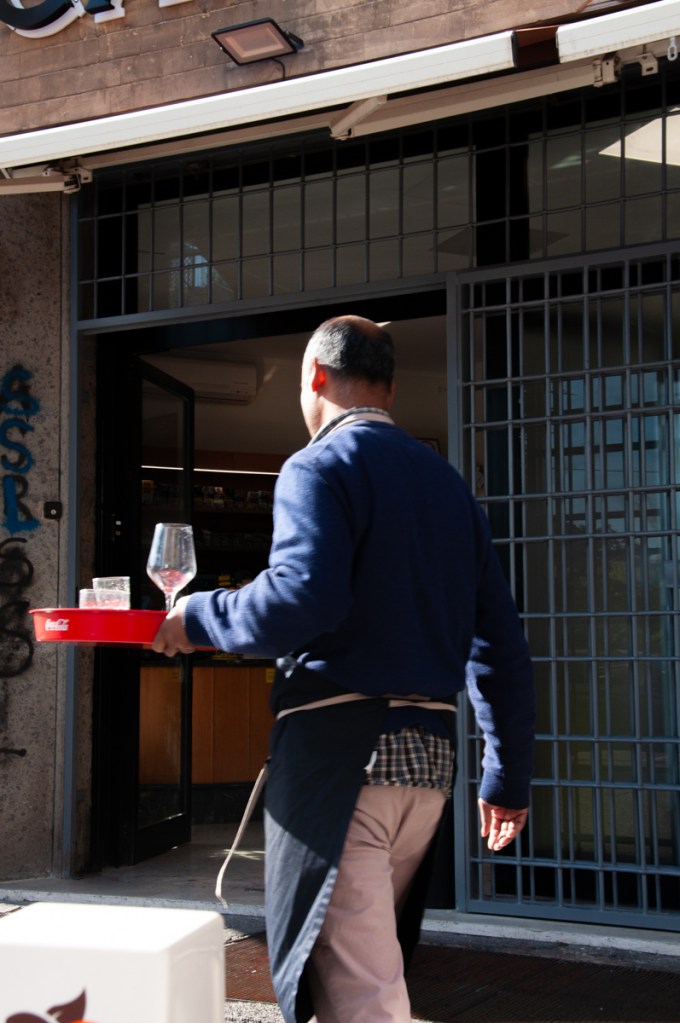
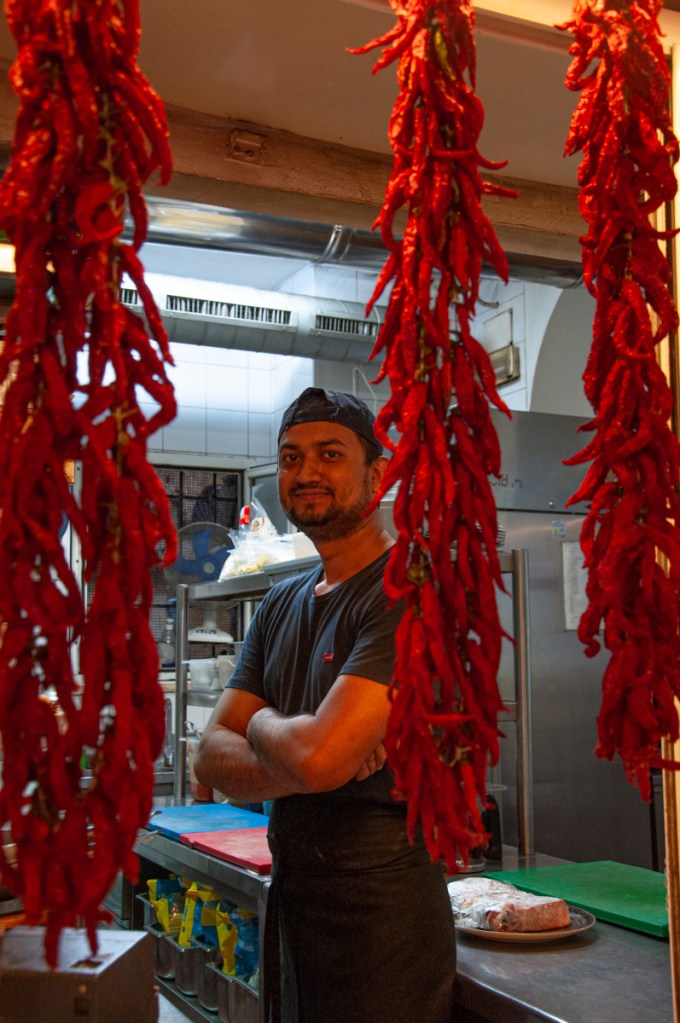
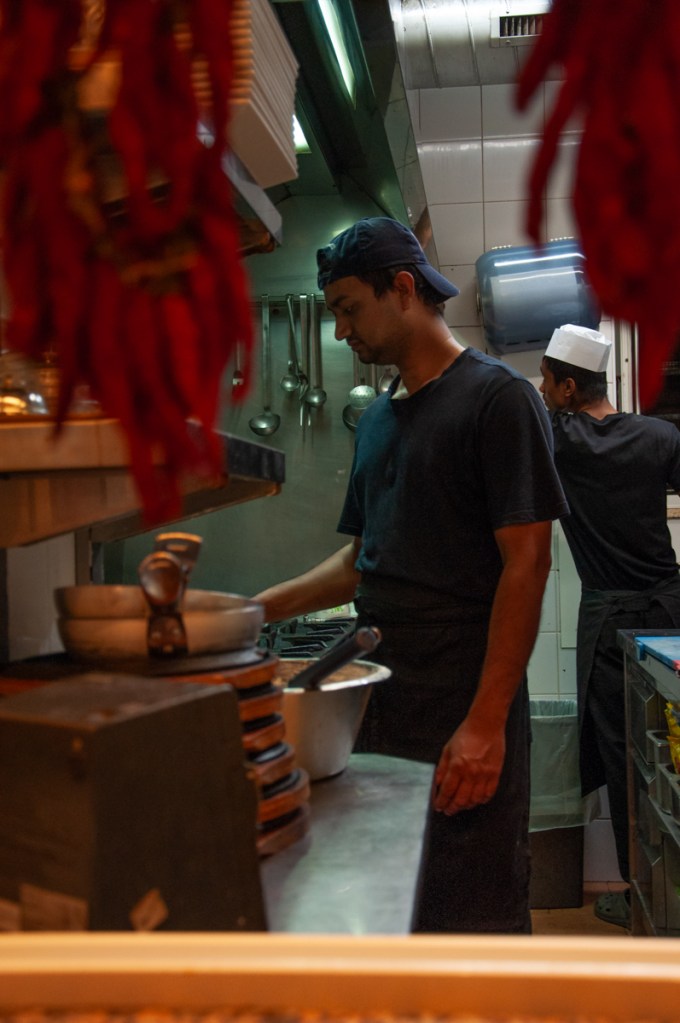

waiting to reel in customers in Trastevere.
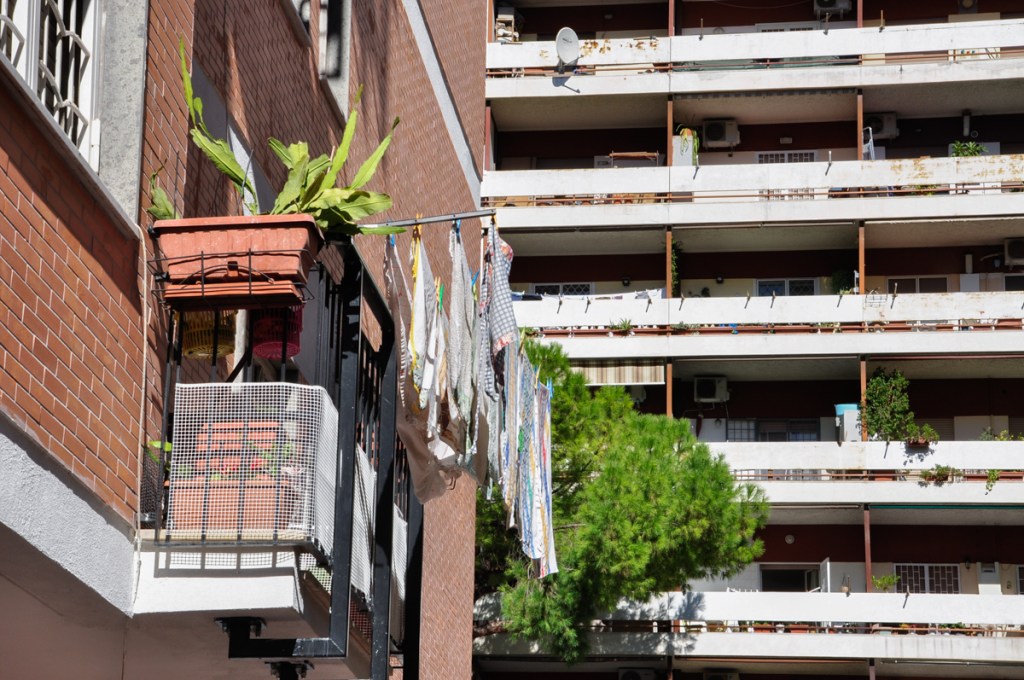
in a densely immigrant populated neighborhood of Portuense, Rome.
 thematthewrome.com