
Reviews
By Amanda Contessa / Matthew staff | Edited by Kayla Muller
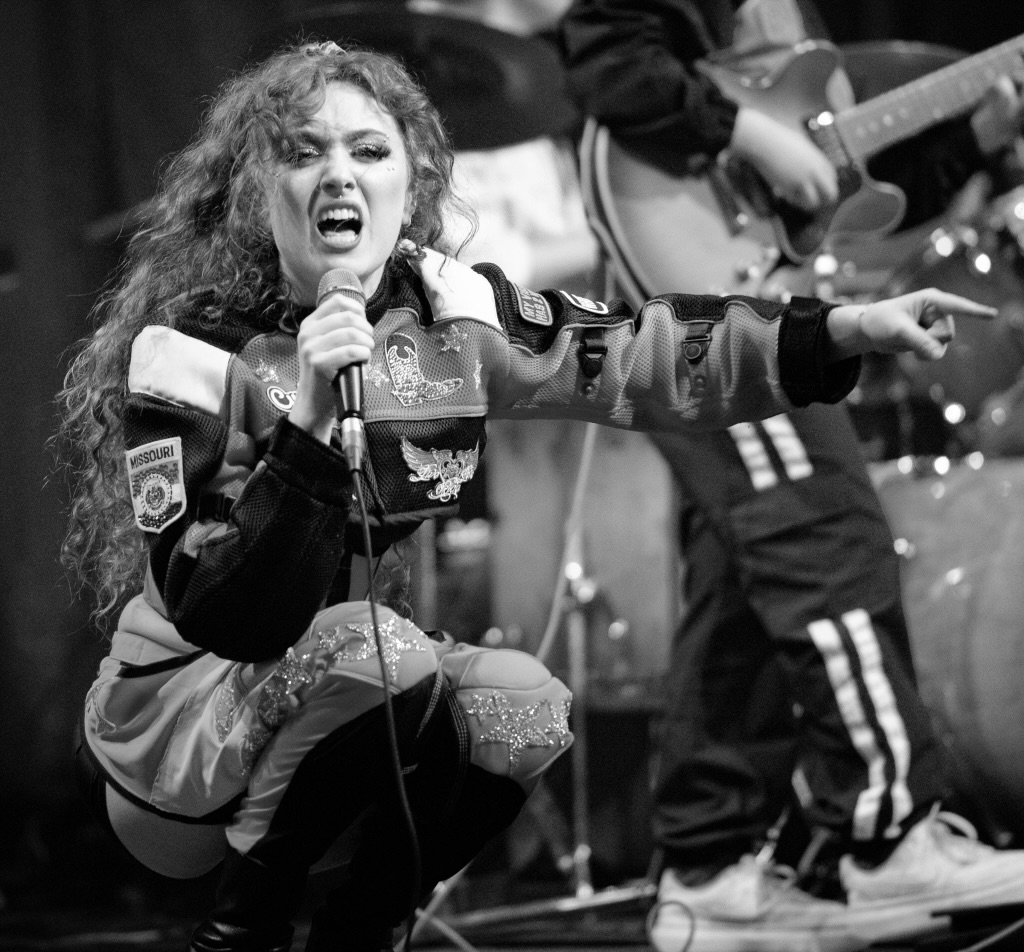
Not to acknowledge the meteoric rise of musical artist Chappell Roan would be an understatement. Born Kayleigh Rose Amstutz in Willard, Missouri, Roan’s journey to greatness was challenging. Growing up in a place where queerness was not accepted, she longed for a life beyond the Southern U.S. Despite being dropped by Atlantic Records in 2020, she persevered, taking on menial jobs in Los Angeles, always keeping sight of her worth and potential.
The 2020 single “Pink Pony Club” proved a fruitful start for the rising star, becoming a sleeper hit this year when she infiltrated the mainstream. The song is an anthem regarding self-acceptance of a life someone knows they deserve, regardless of outside opinion.
Her music, a blend of diaristic lyrics and homage to the 1980s and early 2000s, resonates with many. Her physical look, a tribute to drag queens worldwide, is a testament to her embrace of life as a queer woman. This year’s single “Good Luck Babe,” is a poignant narrative of one woman’s struggle with compulsory heterosexuality, catapulted Roan into a whirlwind of media attention. Her debut studio album, The Rise and Fall of a Midwest Princess, has seen unprecedented success, a testament to the power of her artistry that connects with the hearts of her listeners.
As of Friday, Nov. 8, Roan has been nominated for six Grammy Awards, including Best New Artist and Album of the Year, two of the awards’ most coveted prizes.
Roan is doing something completely against the grain in her musical identity. This “against the grain” mentality refers to her refusal to conform to the traditional norms of the music industry, particularly in her anthems of queer love, heartbreak, and self-discovery. Her music, set to infectious melodies, makes it impossible to resist head-banging or crying alongside your girlfriends. Yet, this mentality has her navigating mainstream pop stardom, a path that is not often taken by queer artists. This unique approach to her music and her refusal to conform to industry norms is both a strength and a challenge, as it sets her apart but also exposes her to increased scrutiny. She does not accept the status quo, and carving her own path has proven difficult, notably in public spaces, where she is unafraid of confrontation.
Roan has been open about her struggles with depression and difficulty adapting to this new life as a public figure. In opening up to the world as Chappell, she has opened herself up as Kayleigh Rose – something she has been vocal about having disdain for. “Fame is like going through puberty,” said Roan in an interview with The Guardian. Her lack of fear of confrontation – recognizable in heated confrontations with photographers at this year’s Video Music Awards and Olivia Rodrigo’s “Guts World Tour” film premiere – is admirable, but teeters on an extremely fine line women in music have had to walk for years.
Beyond her artistry, it is evident that Chappell does not like the boxes built around women in music, which is entirely understandable. Her lengthy notes app Instagram post outlining her public and private life boundaries is admirable because she is right.
“Women do not owe you a reason why they don’t want to be touched or talked to,” wrote the star.
She sees a delineation between Chappell Roan, the pop megastar, and Kayleigh Rose, the young queer woman from Missouri. Boundaries are essential, particularly for women in this precarious political world. As a woman, I see and respect her. As a fan, I struggle to understand her receptiveness to the love she puts out into the world through her music. It’s crucial to respect her boundaries and understand her perspective.
With celebrity stardom, the best of both worlds – public and private life – simply stop being a reality.
Someone asking for a photo on the street does not make you a target; someone telling you how your artistry changed their life is not them being crazy. Her music comes from the deepest part of her soul as a woman navigating womanhood and queer-hood in the South; a beautiful person extending her heart to others, and those who are receptive to it do not get to become the villains in your origin story.
But doing it in a way that positions yourself as a victim any chance you get, assuming everyone is out to get you simply because they care, is not the most strategic route.
No matter what Chappell does, good or bad, it is publicity that will get a reaction — and isn’t that what we all want, love and attention?
Still, it would be a disservice not to include one of the reasons why she faces this scrutiny. Is it an initiation period as a mainstream pop star? This concept refers to the period when a new artist, often called ‘fresh meat’, becomes the target of criticism and scrutiny until a new artist enters the scene. Olivia Rodrigo endured it, as did Sabrina Carpenter, Taylor Swift, Lana del Rey, Billie Eilish, and Beyonce; the list endures.
The pattern is clear. Women have been held to an insurmountable standard of needing to be “good women” who “do the right thing,” unlike their male counterparts, particularly in music. Their lyricism revolving around sex, love, and acceptance is placed under a microscope of speculation, whereas male artists are not held to the same investigation.
Ultimately, Chappell Roan’s journey underscores a paradox of modern fame: a demand for raw authenticity yet unforgiving scrutiny in the face of impossibility. This paradox highlights the struggle that artists like Roan face, where they are expected to be authentic and true to themselves, yet they are constantly under the microscope of public scrutiny and criticism.
Her commitment to setting boundaries, owning her story, and staying true to her vision—even as fame complicates her life—reveals a strength that resonates deeply in today’s world.
Chappell’s voice is admirable regarding the issues surrounding scrutiny in an unforgiving world, particularly in the inundation of misogyny, criticism, and those who speak before they think. It is a journey worth sticking around for—not only for her infectious earworms but also for her tenacity in knowing what she deserves in this life—both for herself and other women in music.
 thematthewrome.com