

In Photos
By Mara Farese | Photoreporter
This photojournalism entry was submitted in Spring 2024.
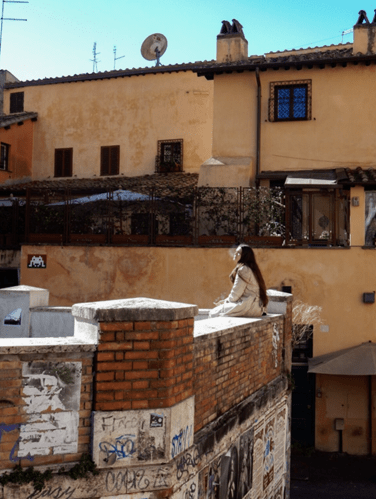
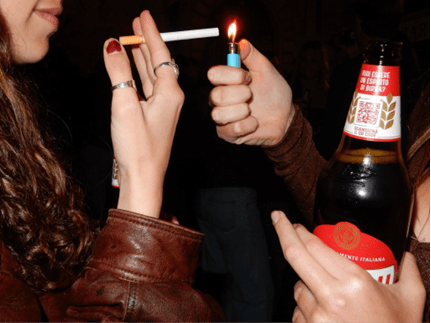
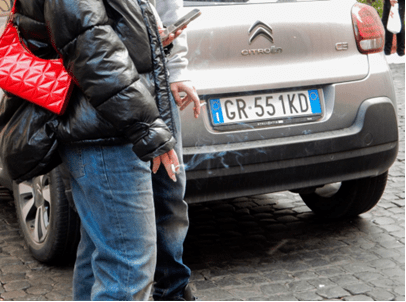
In present-day Rome, Italy, smoking rates are continuing to rise, prompting urgent action from public health officials to stem this trend. Recent data from the Italian National Institute of Health’s (ISS) reveals a concerning increase in smoking rates, with nearly one in four Italians now smokers, a rise exacerbated by the COVID-19 pandemic. Despite previous strides in tobacco control, there has been a notable surge in smoking since the pandemic began, driven partly by the popularity of new tobacco products and e-cigarettes, which have tripled in usage since 2019 as seen in the ISS report. This surge, coupled with persistent societal norms and aggressive marketing tactics from the tobacco industry, underscores the need for immediate preventive measures to combat this escalating trend.
Foreign students that move to Rome embody the effect of the allure and availability of
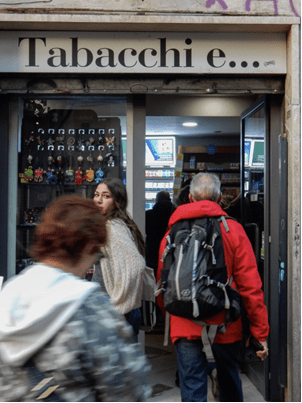
tobacco products, aligned with societal and cultural norms. “It’s hard to miss the street advertising when it’s constantly in your face,” said Vivian Braun, 21, a student at John Cabot University. “The [smoking] culture that Rome and other parts of Europe have been building for years creates this ‘bubble effect,’ normalizing regular use and ignorance about the consequences.When everyone’s participating, that negative association vanishes.”
With over 12 million Italians smoking an average of 11.5 cigarettes daily, the nation faces a critical challenge in addressing smoking-related health issues. Policymakers and health advocates are rallying to confront this pressing crisis, building on existing tobacco control laws, such as the Sirchia Law, implemented since Italy became a signatory to the WHO Framework Convention on Tobacco Control in 2008, thus designating smoke-free places, banning tobacco advertising and promotion across multiple platforms, implementing stnct packaging and labeling regulations, and disclosing cigarette contents to the public, according to a study by the European Journal of Public Health. Despite these efforts, smoking-related deiths remain alarmingly high, with lung cancer alone claiming 36,000 lives annually and totaling nearly 72,000 deaths each ycar, constituting 12.5% of the national death toll according to the Annals of Global Health analysis on prevention measures. Urgent action is imperative to mitigate the health and economic burdens associated with smoking, not only in Italy but also across Europe, where nearly 7 million deaths have been attributed to cigarette smoking in the past decade. Addressing the multifaceted challenges posed by the tobacco industry will require a coordinated approach which involves government intervention, public education, and community cooperation and engagement. Only through combined efforts can Rome hope to overcome the obstacles presented by tobacco and create a healthier future for the residents of the Eternal City.






 thematthewrome.com