

In Photos
By Anna Danalis | Photoreporter
According to the Bilateral Tourism Board of Lazio (ETBL), over 15 million tourists visited Rome in 2022, a 176% increase from 2021. This data shows how tourism is substantially growing in the capitol of Italy. The number of tourists in 2022 is five times the number of locals living within the city.
Only up until August of 2023, Rome has seen around 13 million tourists, meaning that 2023 will surely surpass the numbers of the previous years.
Over tourism has caused a hoard of issues for locals including the rise of tourist traps and degradation of the city’s monuments and infrastructure. Tourist traps have left a bad reputation for Rome as the city’s main tourist attractions such as the Trevi Fountain, the Pantheon, and the Colosseum, are flooded with restaurants that serve low quality meals posing as authentic cuisine partnered with extremely unreasonable prices.
Locals like Augustino M., 82, who has lived in Trastevere for over 20 years are extremely frustrated with this situation.
“There used to be such nice restaurants in the area, now I don’t know where to eat anymore.”
Some of these restaurants have even made the international news with the Daily Mail warning tourists to stay away from a café near the Vatican.
Additionally, the high foot traffic that Rome receives daily has had catastrophic effects on the city’s infrastructure and precious history. Aside from the fact that Rome was simply not built to accommodate so many people all at once and this has led to traffic and pollution problems as well as the rise of vandalizing of monuments.
Only recently in July a tourist was caught engraving his and his partner’s name into the Colosseum according to the Washington Post. Unfortunately, this is not the first incident nor does it seem to be the last. Other similar incidents include the damaging of the Fontana della Barcaccia in Piazza di Spagna in 2015 and more recently in 2022 when a Saudi tourist drove his Maserati down the famous Spanish Steps.
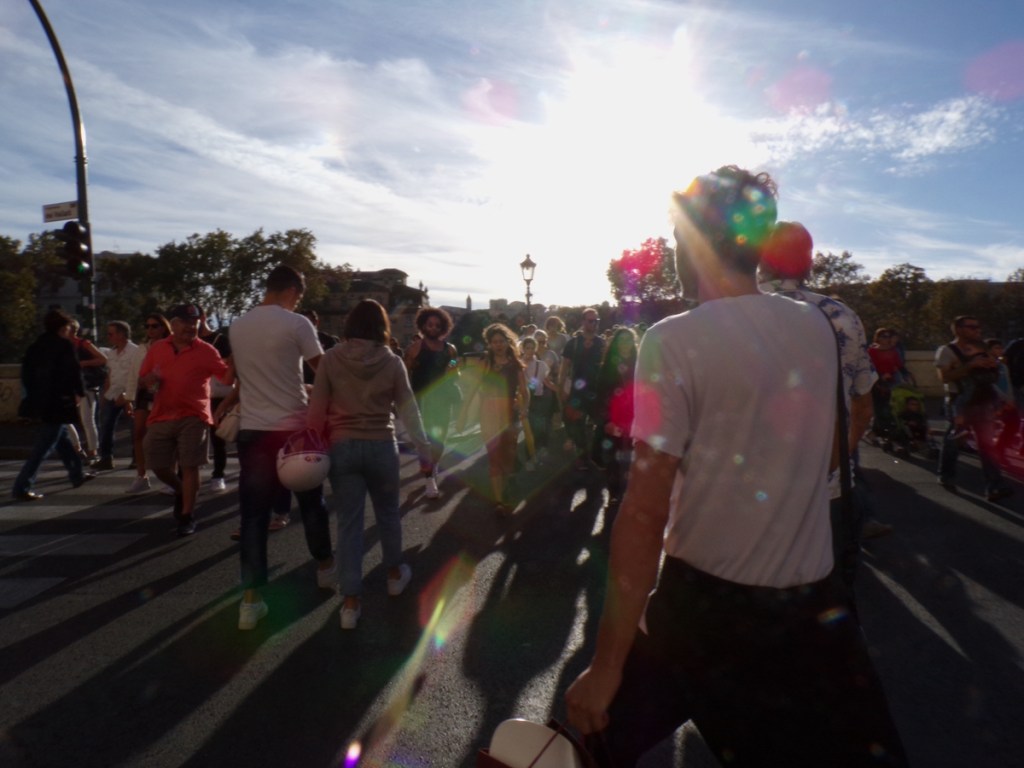
Rome Oct. 22, 2023; Tourists cross the street to Ponte Sisto, entering Trastevere. 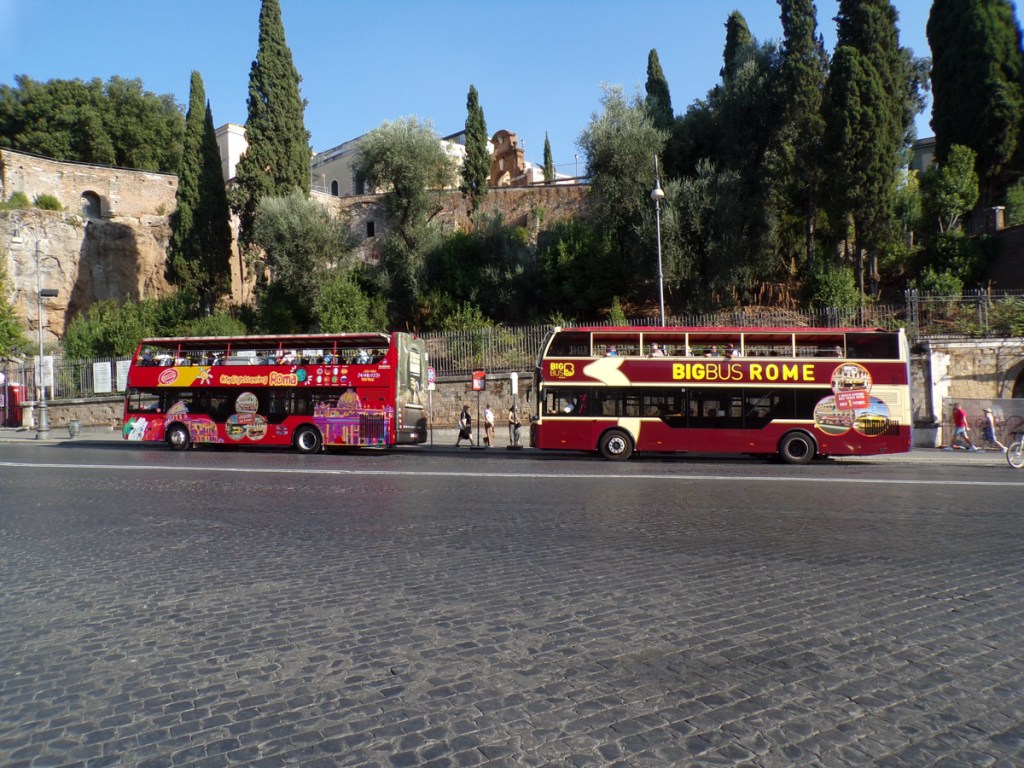
Rome Oct. 6, 2023; Site-seeing buses full of tourists parked next to the Capitoline Hill. 
Rome Oct.6, 2023; A tourist group looks over the ruins of the Roman Forum. 
Rome Nov. 11, 2023; Tourists watch a street performer in Piazza Navona. 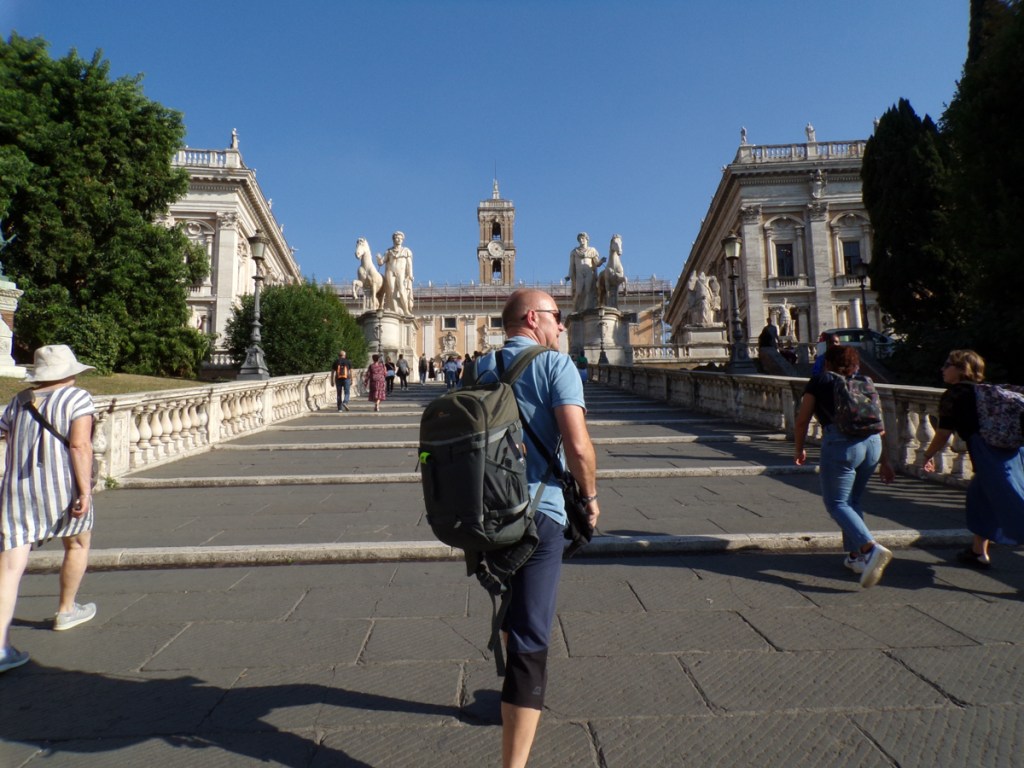
Rome Oct.6, 2023; A man walks up towards the Capitoline Hill. 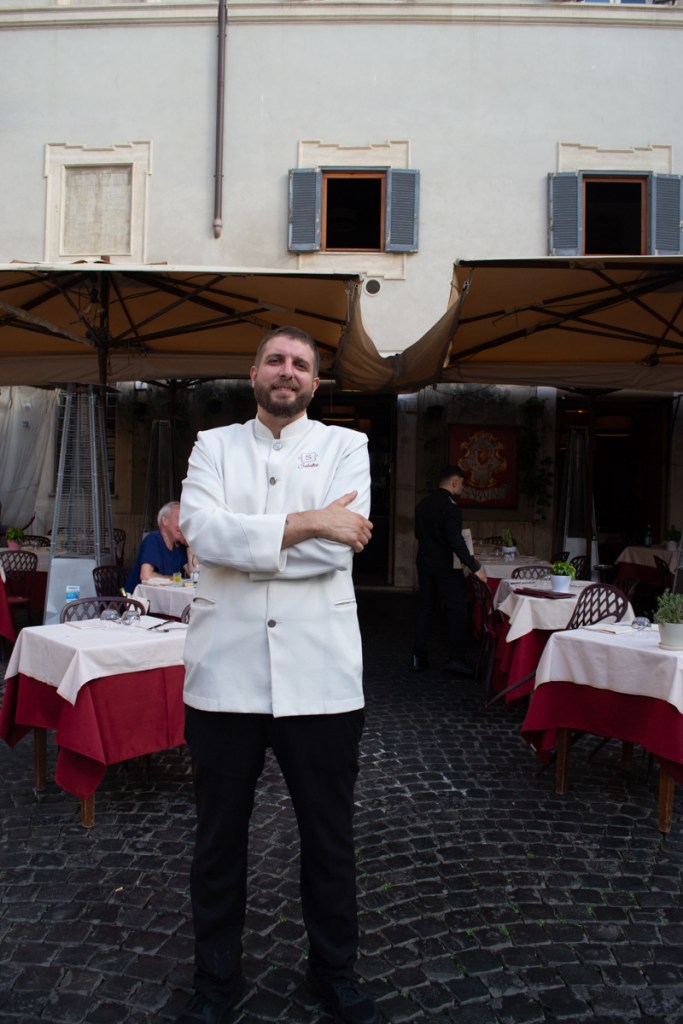
Rome Nov. 5, 2023; A waiter stands to welcome tourists at Sabatini, a restaurant in Piazza di Santa Maria in Trastevere. 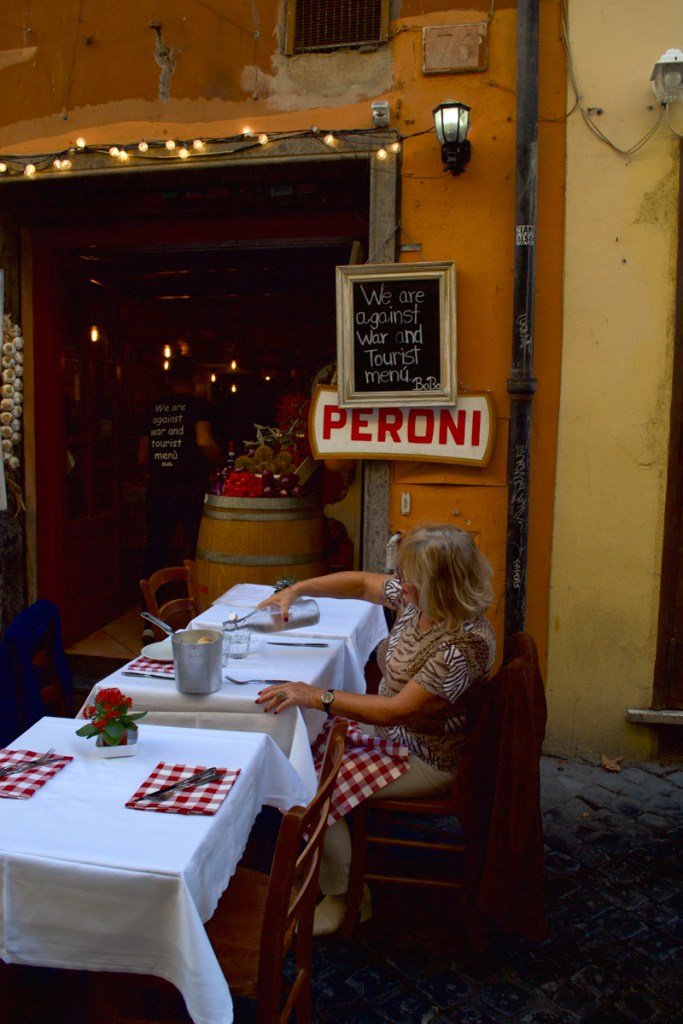
Rome Nov. 5, 2023; A woman sits at a restaurant in Trastevere in front of a sign reading “We are agaist war and tourist menu.” 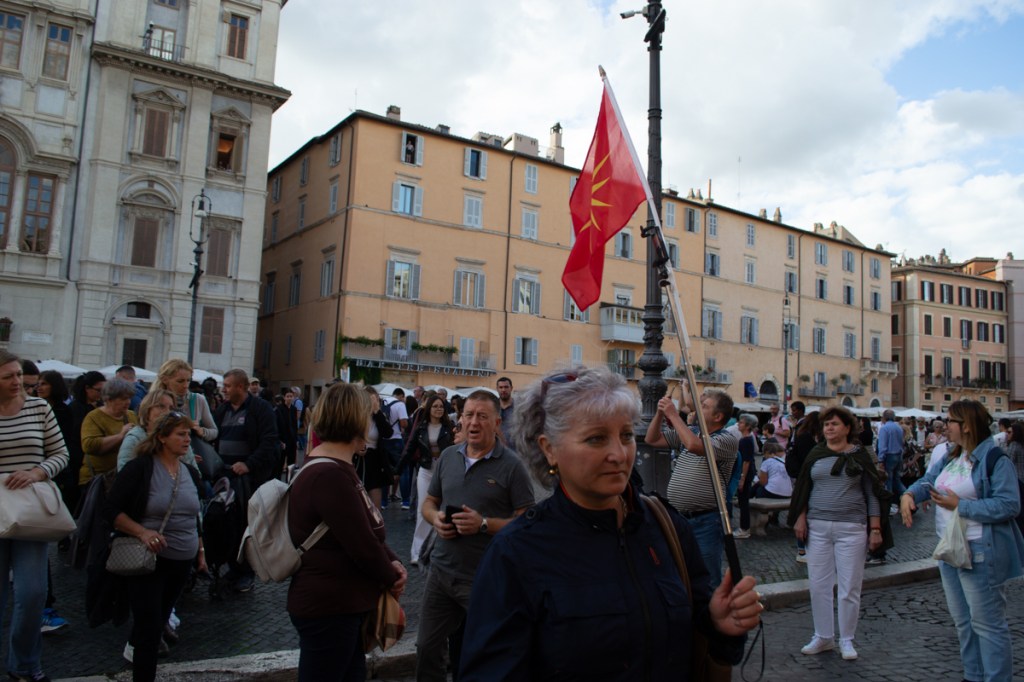
Rome Nov.11, 2023; Tour guide holds a flag to guide tourists around Piazza Navona. 
Rome Oct. 6, 2023; Tourists walking down from the Capitoline hill wearing matching hats. 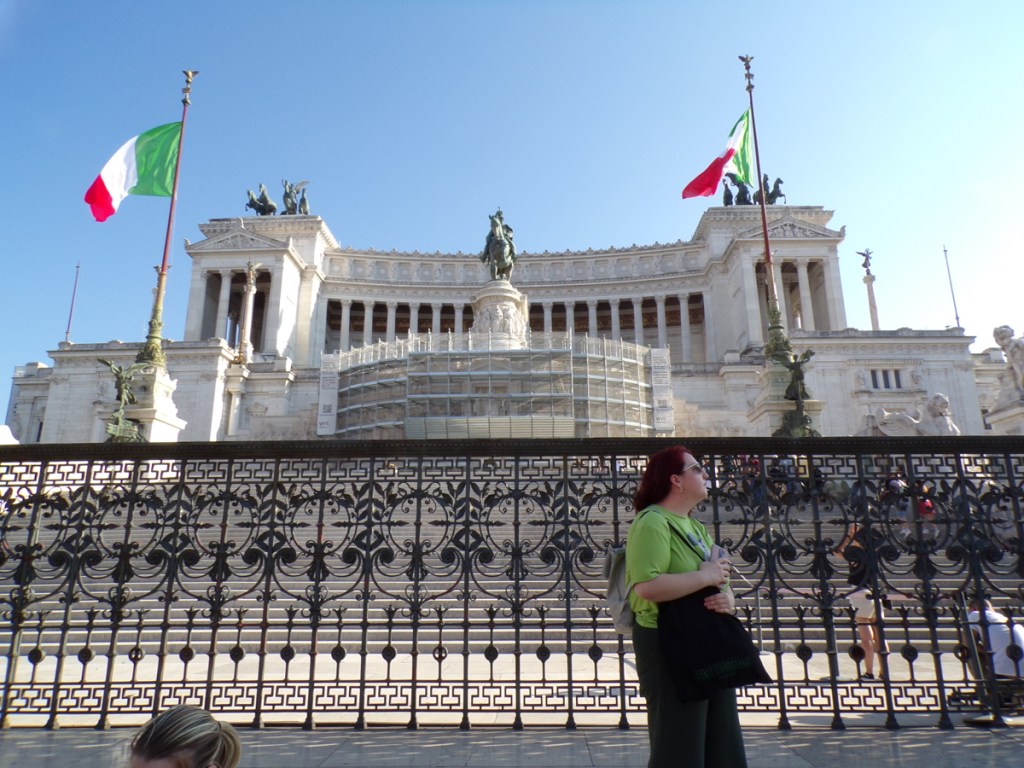
Rome Oct.6, 2023; A tourist waits in front of the Altare della Patria in Piazza Venezia.
The situation has escalated to the point that for locals it has become increasingly more difficult to find long-term housing in the city-center, leading to increased rent prices and them leaving these central neighborhoods for good.
Although tourism has brought significant income increase to Rome, the extreme problems that go along with it show that there needs to be a shift towards more sustainable tourism that can help repair local’s relationship with their city and preserve Rome’s history while maintaining its economic benefits.
 thematthewrome.com