
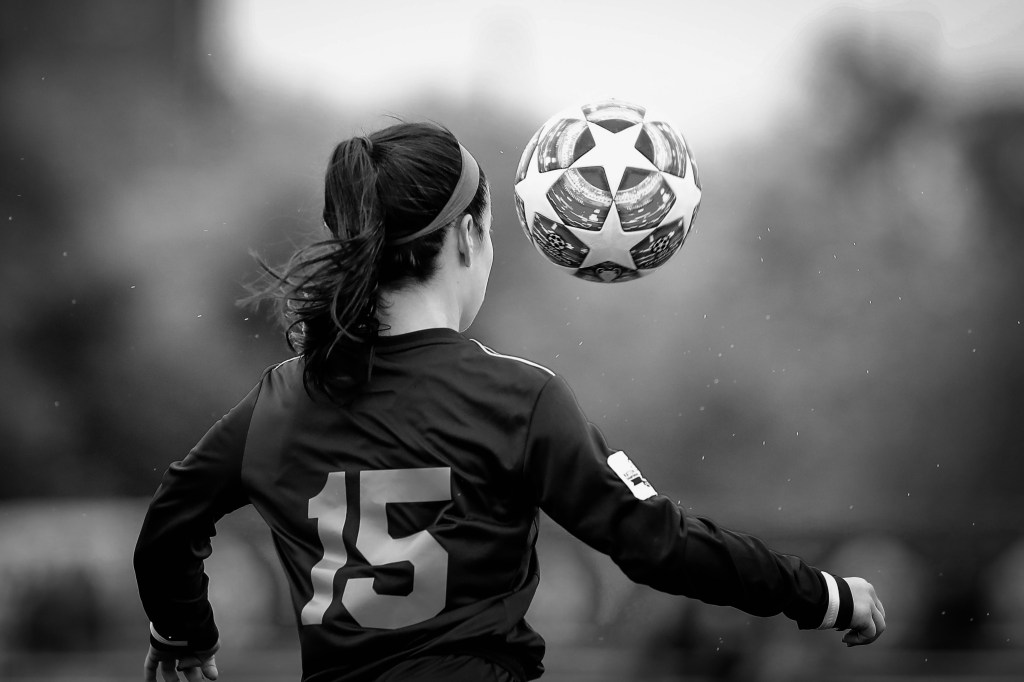
The sexual harassment scandal at the final match of the UEFA Women’s World Cup sets gender equality back, specifically for women in sports and especially in Italy, where the news has been terribly overlooked.
Student Commentary
By Camilla Cialella / Contributor || Edited by Eleonora Prior
The final match of the UEFA Women’s World Cup in Sydney, Australia, on Aug. 20, Spain against England, resulted in victory for the Spanish team. However, the celebratory news was immediately overshadowed by sexual harassment publicly inflicted on one of the winners—by a Spanish football official.
During the award ceremony, the president of the Royal Spanish Football Federation, Luis Rubiales, kissed the Spanish player Jennifer Hermoso on the lips without consent. This action resulted in a widely covered international scandal and thus blew up on social media. The now-former president used any means in his power to justify his action and refrained from apologizing: from lowering gender equality to putting feminism in a bad light, declaring himself as a “victim of false feminism.” Just after the incident exploded, he declared that the kiss was consensual and justified it as an innocent way to celebrate the victory.
A number of notable people, including male footballers, took the side of player Hermoso. The Spanish Women’s National Football Team decided to strike and threatened not to take the field in the National League matches. People in Spain also started protesting in the streets and on social media with the hashtag #seacabò (“It’s over”). All the media pressure and public opinion pushed Rubiales to resign as president, but he never apologized publicly for the assault.
Women’s soccer became an official sport around the 1970s as many European women-led Football Associations started being internationally recognized. From the first World Cup in 1991, where only 12 national teams participated, to this year’s World Cup, with 32 teams participating, women’s soccer has solidified worldwide. For some years, women players have demanded greater gender equality, particularly in the salary gap between men’s and women’s soccer, but also in the way they are treated as athletes. This activism has advanced faster in European countries like France, Spain, Germany, and England, where soccer players were first considered professionals and continue to fight for gender equality in this sport. Italy, however, is still a backward country in this regard. That was until last year when women players in Italy started being recognized as professionals and no longer amateurs—a turning point.
Interestingly, the Rubiales scandal has not been much debated in Italy. Sports journals wrote a few lines about this story, probably because it was less critical and less newsworthy in the eyes of Italian sports media. This lack of coverage is yet another indicator of how much Italy is behind in women’s soccer compared to other European countries. The model of patriarchal society and its radical thought, widespread in Italy, still permeates rational thinking and reaffirms stereotypes, prejudices, and inequality between men and women—especially when it comes to soccer. Italian soccer culture from older generations might think that this kiss was not a big deal, belittling the gesture and making it seem unimportant. The problem is that the kiss represents more than simply a rude gesture, and Gen Z fans seem to be the only ones to recognize it.
A scandal like the Rubiales’ one represents a huge affront to women’s soccer since it may further belittle the perception of this sport. The first message communicated by this action is the freedom that men in higher positions still have in doing whatever they want, while women are subordinate of their bad choices. Moreover, the declarations made by ex-president Rubiales just after the fact confirmed his poor consideration of women in this sport and of their position in society since he did not even recognize that what he had done was disrespectful.
A question that rushes into our minds is: if it had been the men’s national team would such an action have happened anyway? The answer is clear enough without further explanations.
Where is the gender equality that women have been fighting for all these years? Years of movements, feminism, and revolutions for equality in this sport were thrown away by an unsightly gesture for the eyes of millions of people to see. As a woman who plays soccer in Italy, this is a failure in protecting women athletes and a slap to the women fighting to break down barriers and stereotypes that a sexist society reserves to women soccer players.
 thematthewrome.com